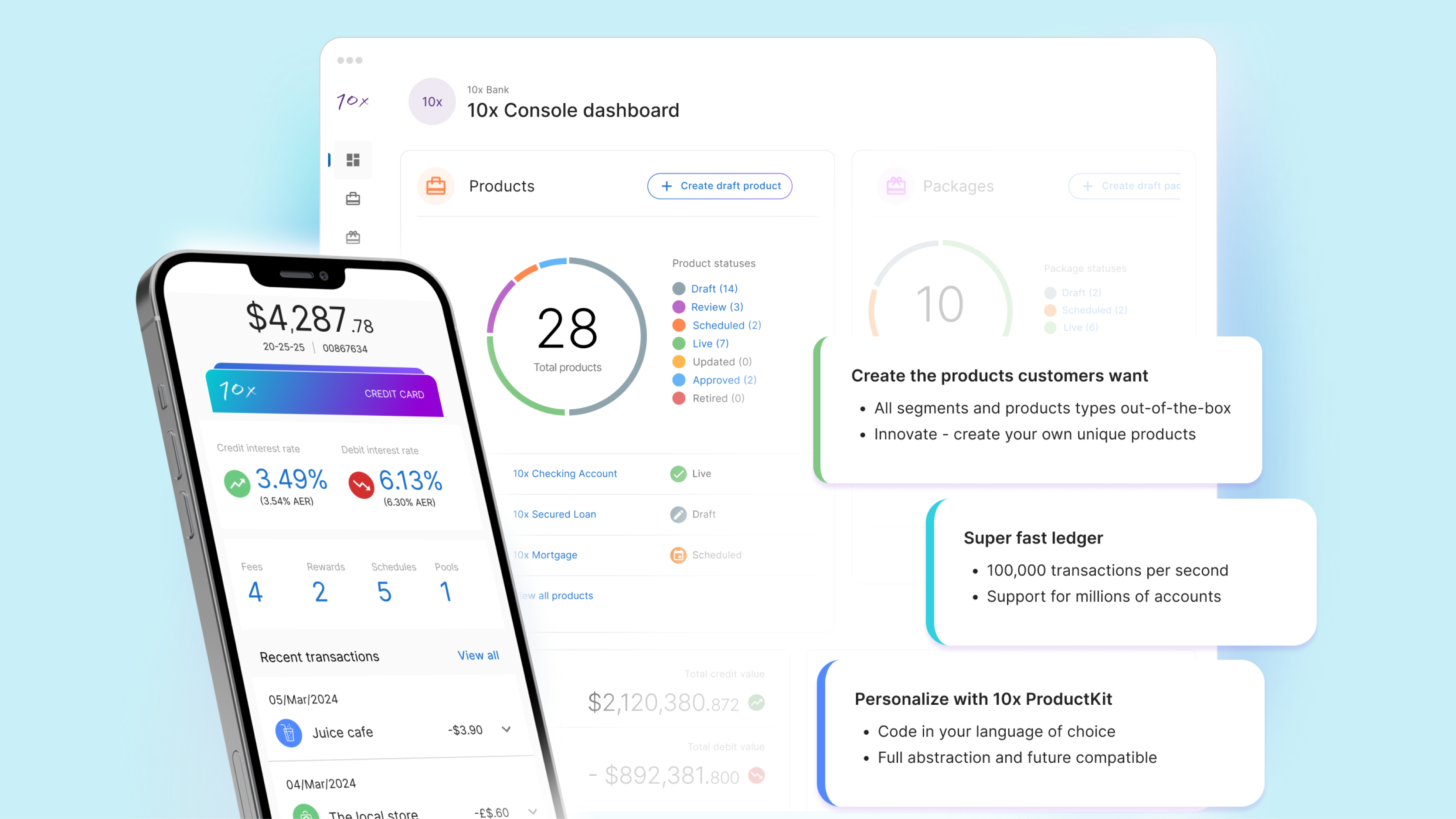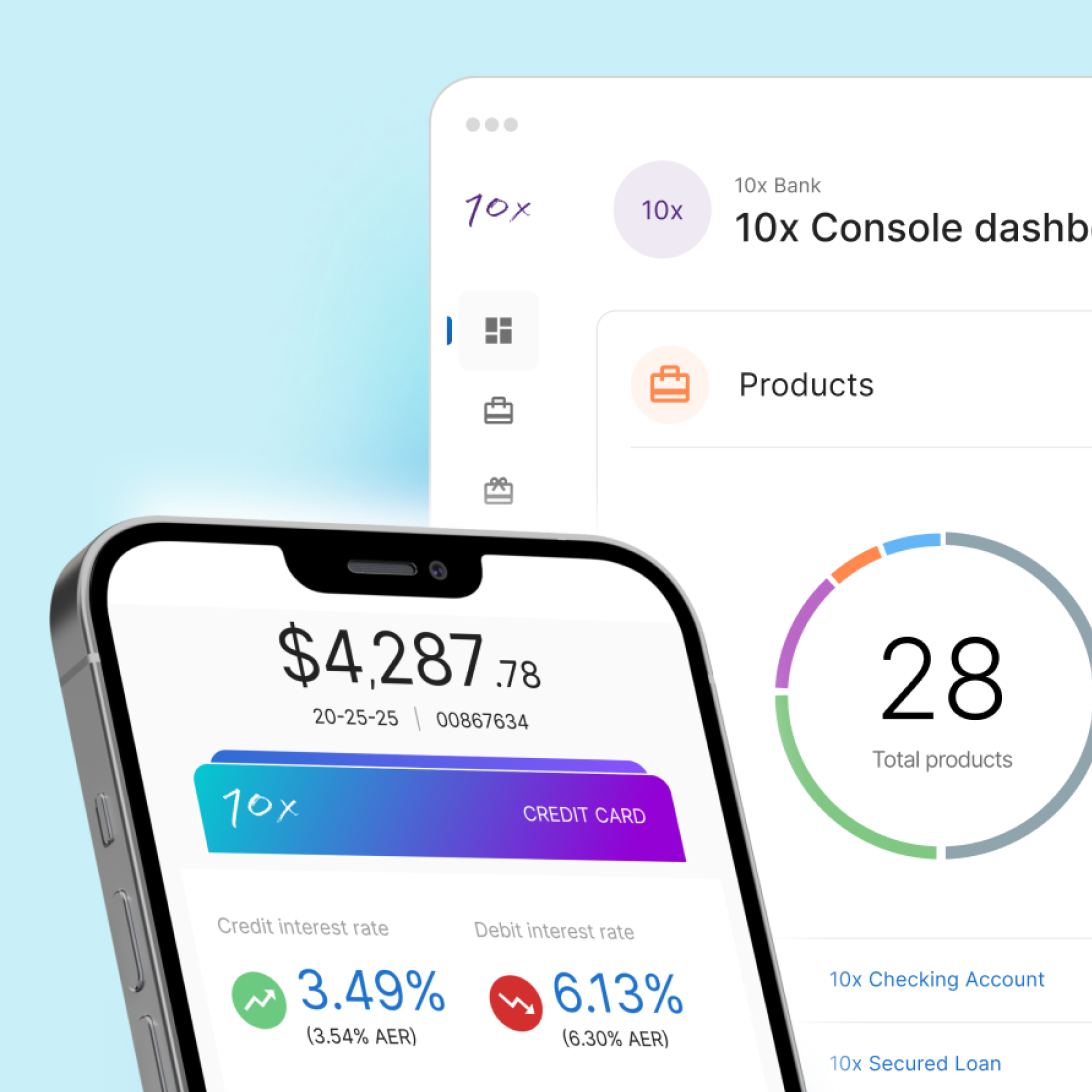
Introducing 10x Banking
£10B
1M+ new users & £10B+ saved in 12 months
1 → 3 year
Design retention up 300% (1 → 3 yrs)
70 → 100 %
Task success 70%→100%. £10B saved in 1yr.
During my 5 years working at 10x Banking I was fortunate enough to be their first lead designer and was later able to scale the design team as their Head of product design and research.
This case study will guide you through the evolutionary path that led us to this current stage.
The problem
Developing new banking products such as a 0% credit card or a Rewards credit card often requires banks to invest over 12 months in the development and launch process. Moreover, making changes to existing products in real-time is both costly and laborious. This lack of agility in responding to market dynamics becomes even more critical with the rise of fast-paced Fintech banks.
“I spent a lot of my career in building banking products, and it took months and sometimes years to design them, write the code, get them through compliance, legal and finance. I just want to shorten that process.”
Anthony Jenkins tells Euromoney.
The solution
What if your Product Managers could build banking products themselves, and bring their ideas to life in the moment?
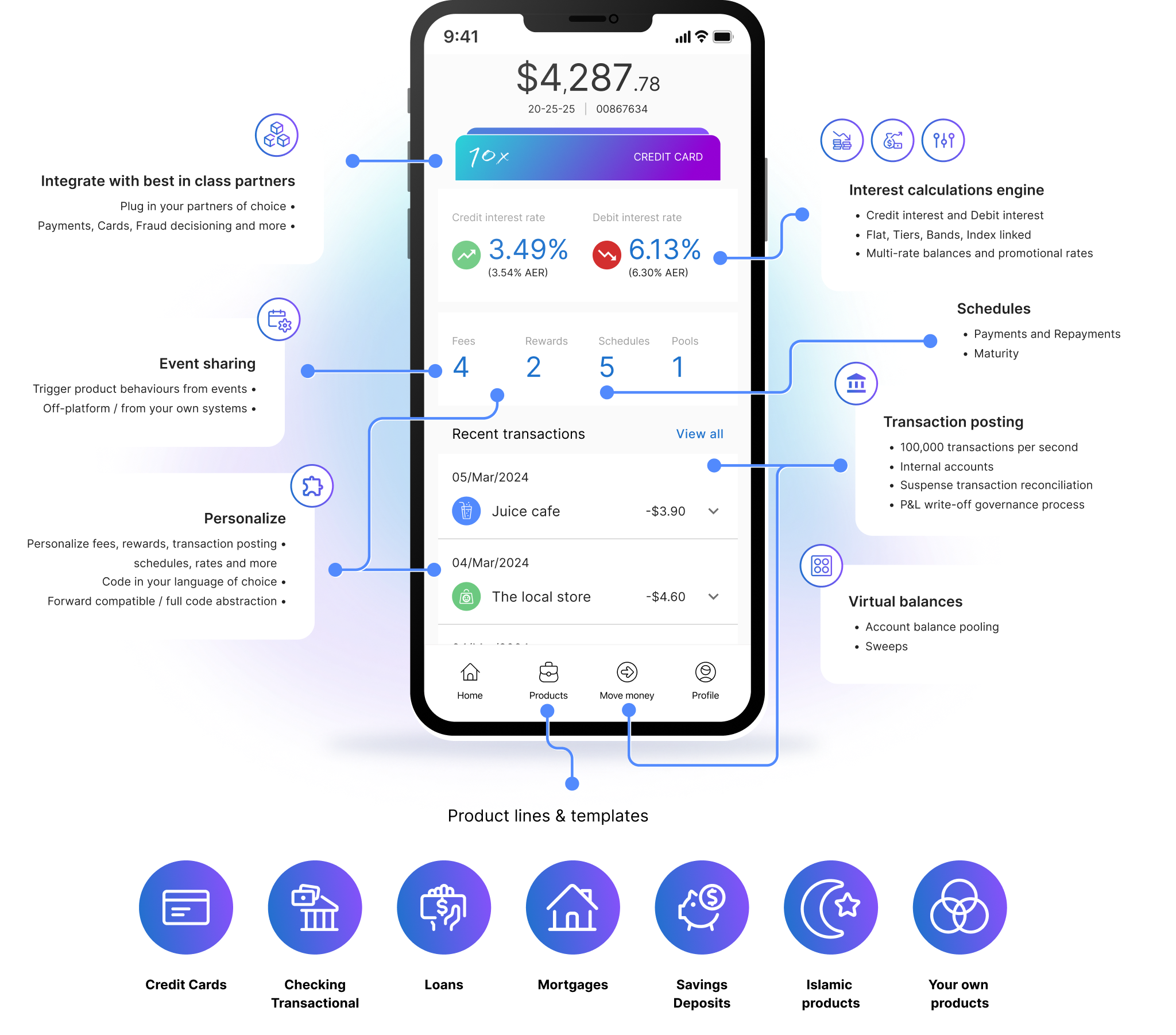
Through a simple ‘clicks not code’ interface, Bank Manager makes this happen. Product teams can build new products, or updates existing ones, in minutes. No coding knowledge needed, and no waiting for precious engineering resource.
Early stage discovery
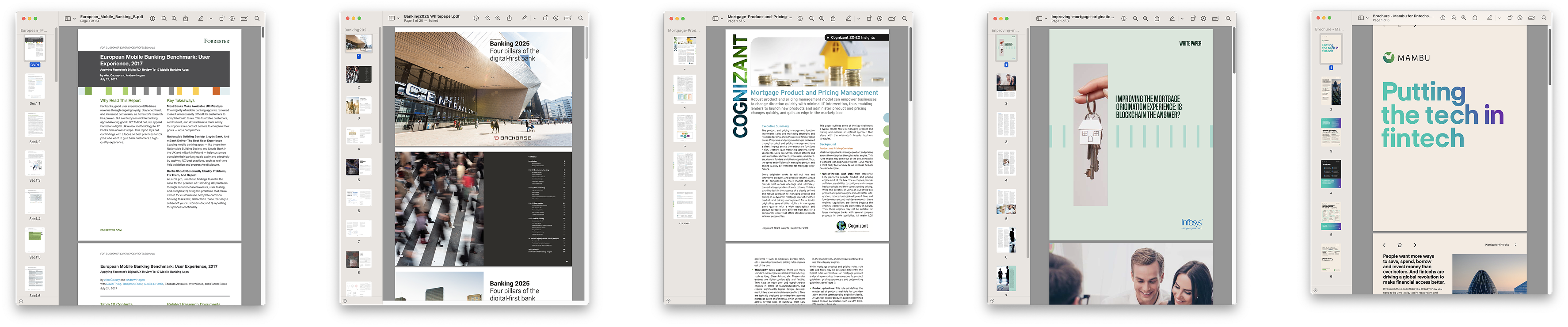
Whitepaper research
Working on first-to-market B2B product I needed to gain domain knowledge fast some of which I was able to do through key findings in Whitepapers.
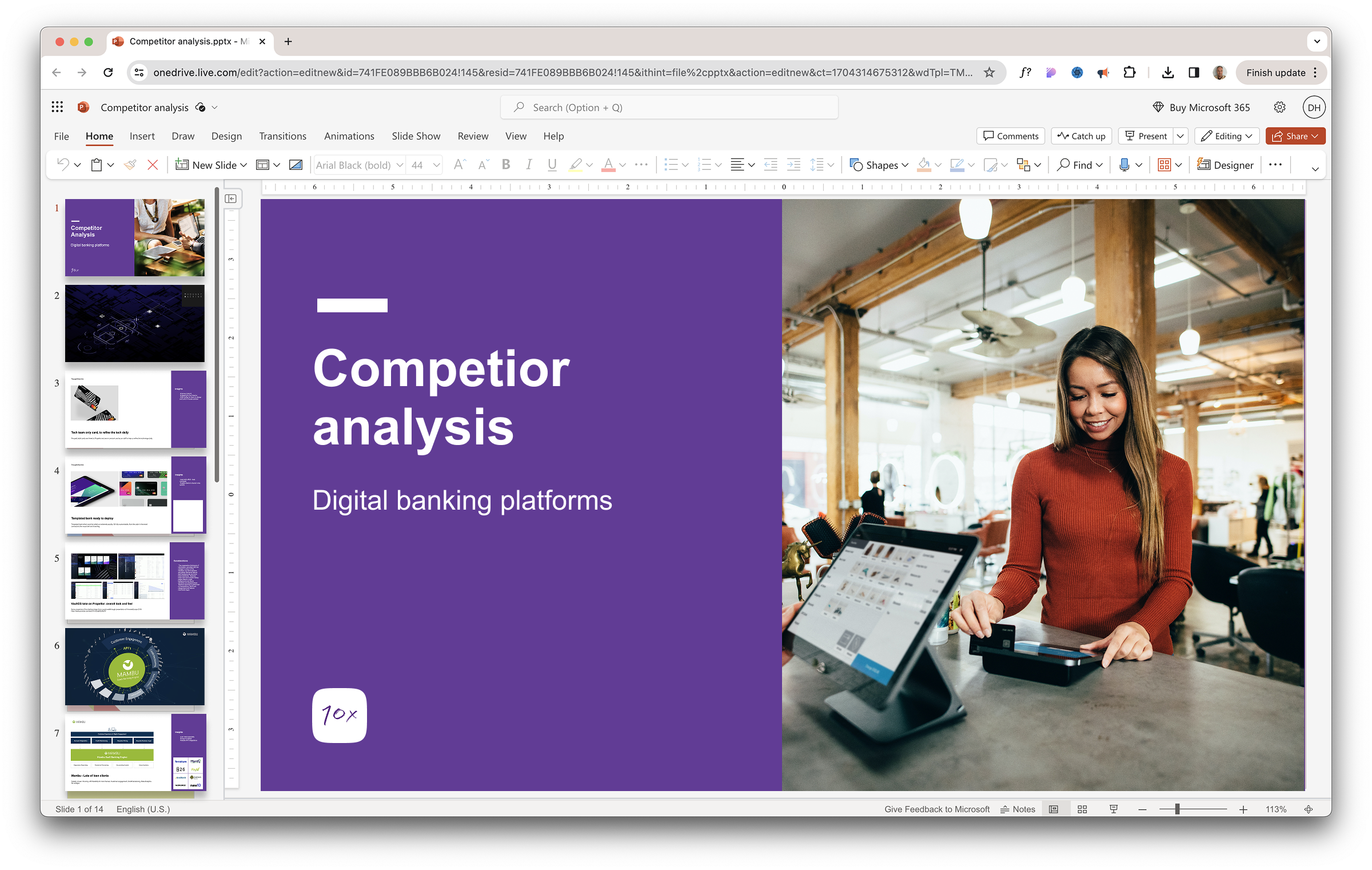
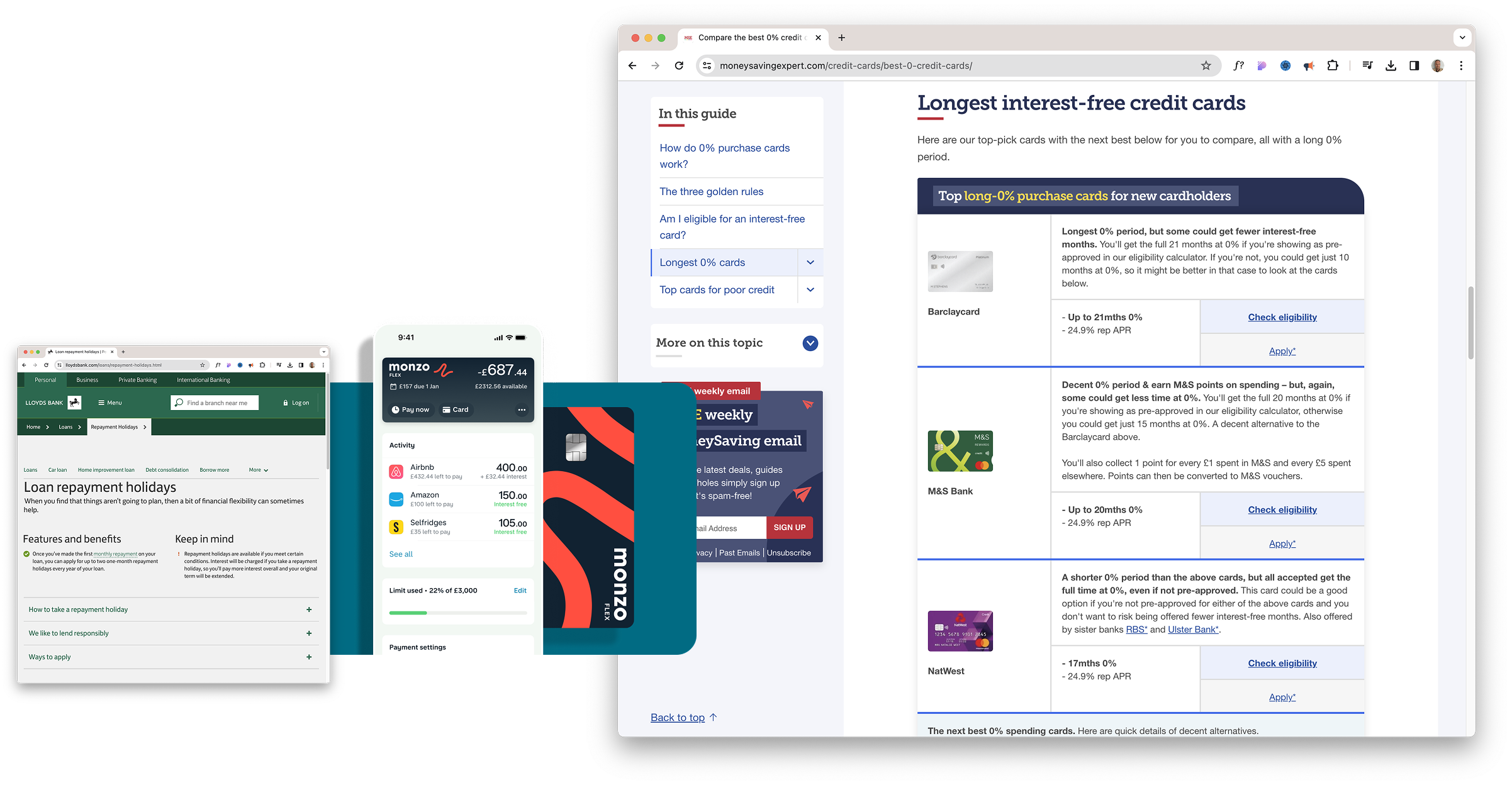
Competitor analysis
Conducting competitor UX analysis helped me inform and guide my design process. It provided valuable insights into user needs, preferences, and expectations, as well as the design trends and standards in the market.
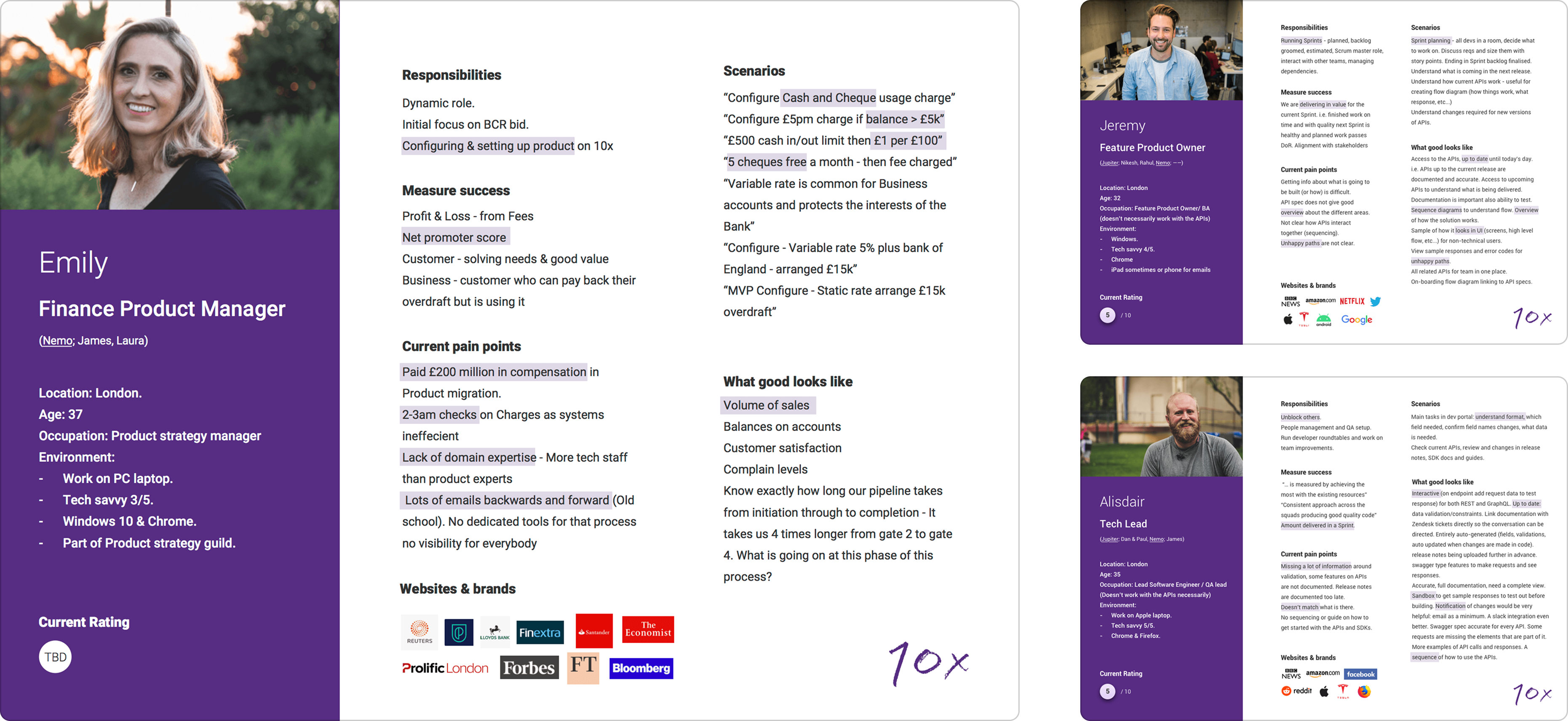
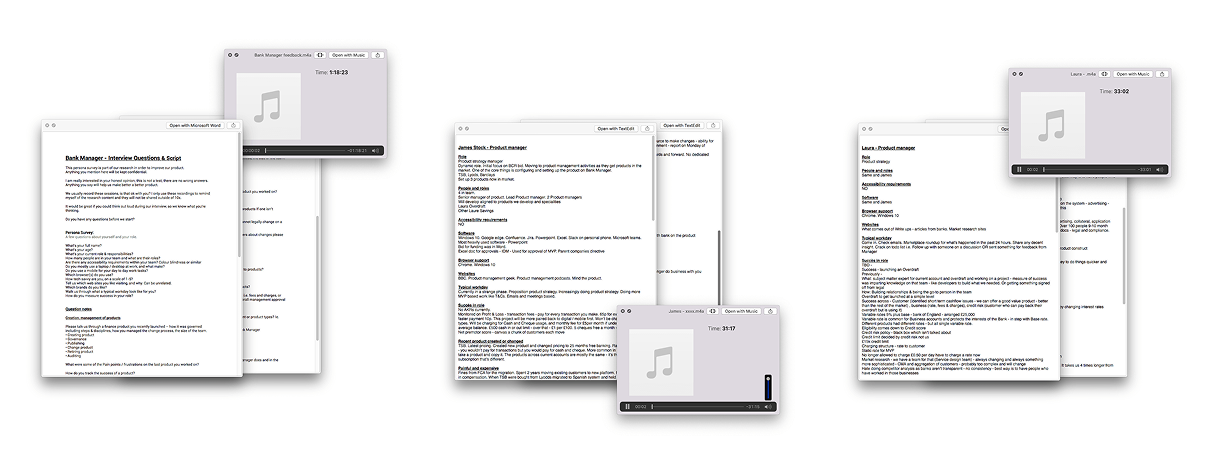
User interviews and personas
At the start of the design process I conducted user interviews and created personas to build empathy with our target users and identifying exactly what they need from the product I’d be designing.
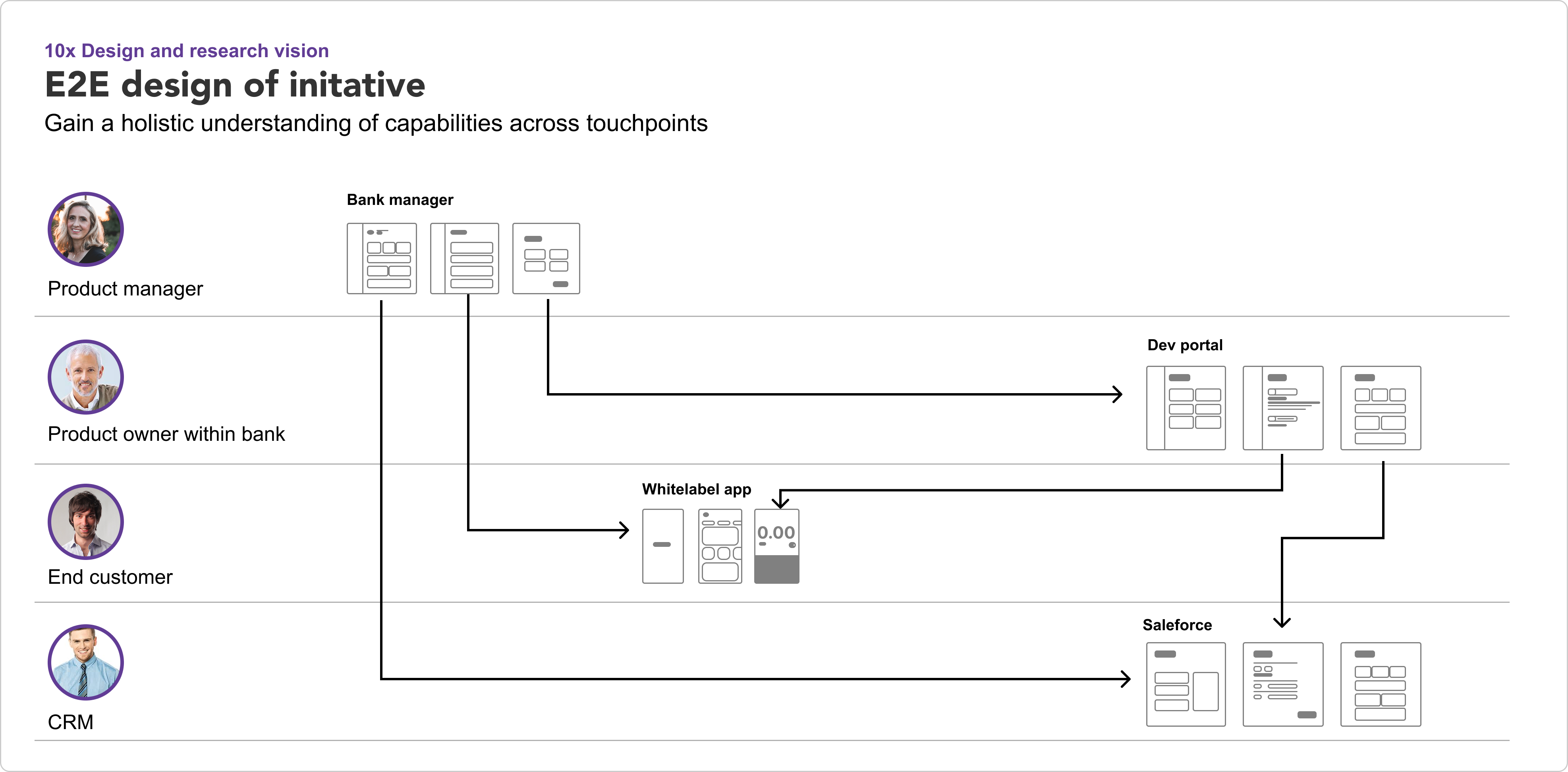
Understanding the API landscape
10x were building the B2B APIs for banks to create, configure and run their products whilst also building the B2C APIs to consume and use the products. This required our design team to grasp a comprehensive understanding of user needs concerning API sources across our experiences. Aligning with the appropriate teams early in the process was crucial to adopting a design-led, user-centric approach. This proactive collaboration safeguards against compromising user experiences that might occur if we engage too late, post-API construction.
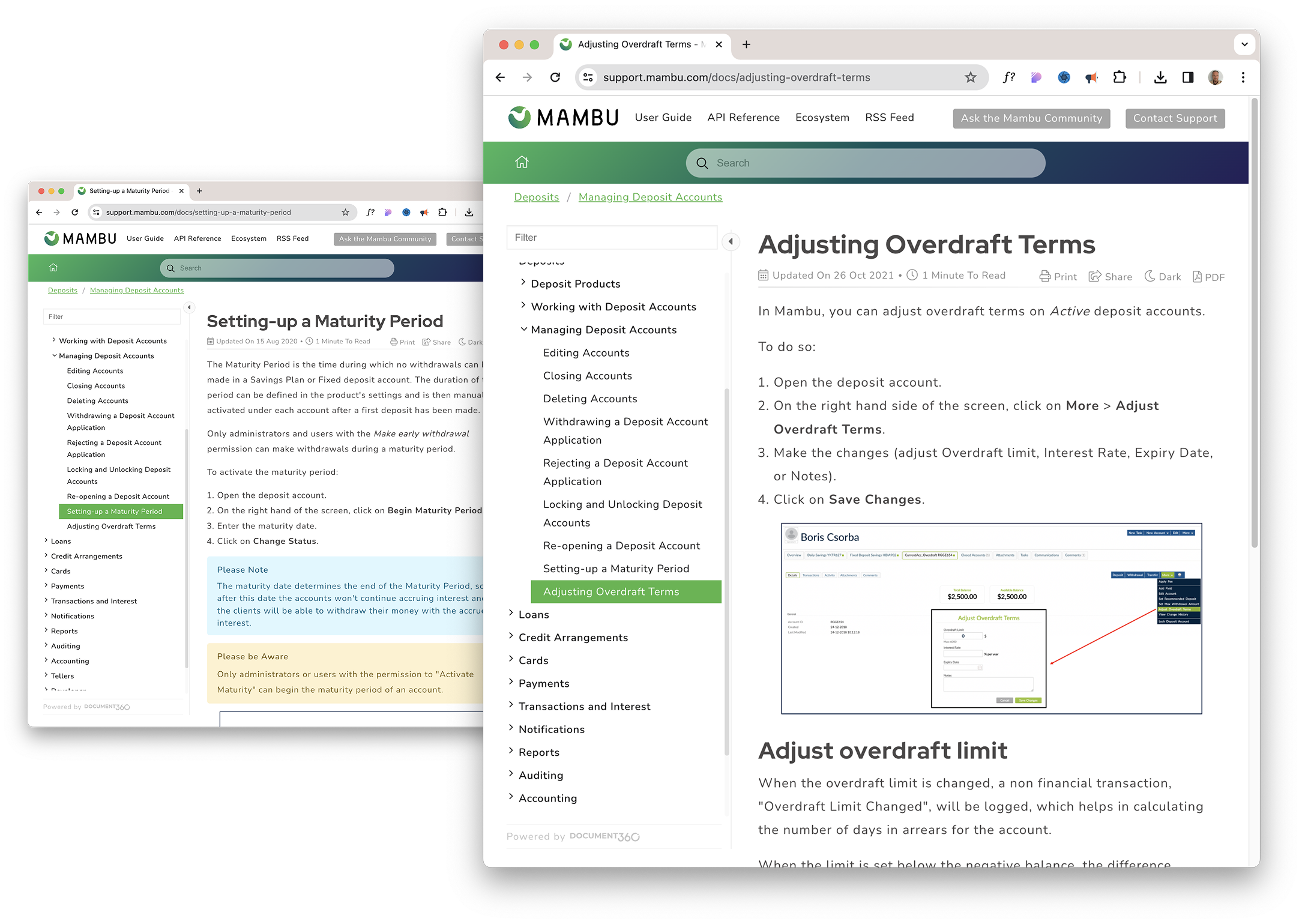
Competitor documentation analysis
We researched how competitors approach capabilities and how they’ve solutionised features on their platforms. Example - Mambu documentation is in public domain.
Product configuration analysis
We can find out if there are any gaps in the market, and identify features and patterns across geographies. Ensure we are designing agnostically and with market knowledge.
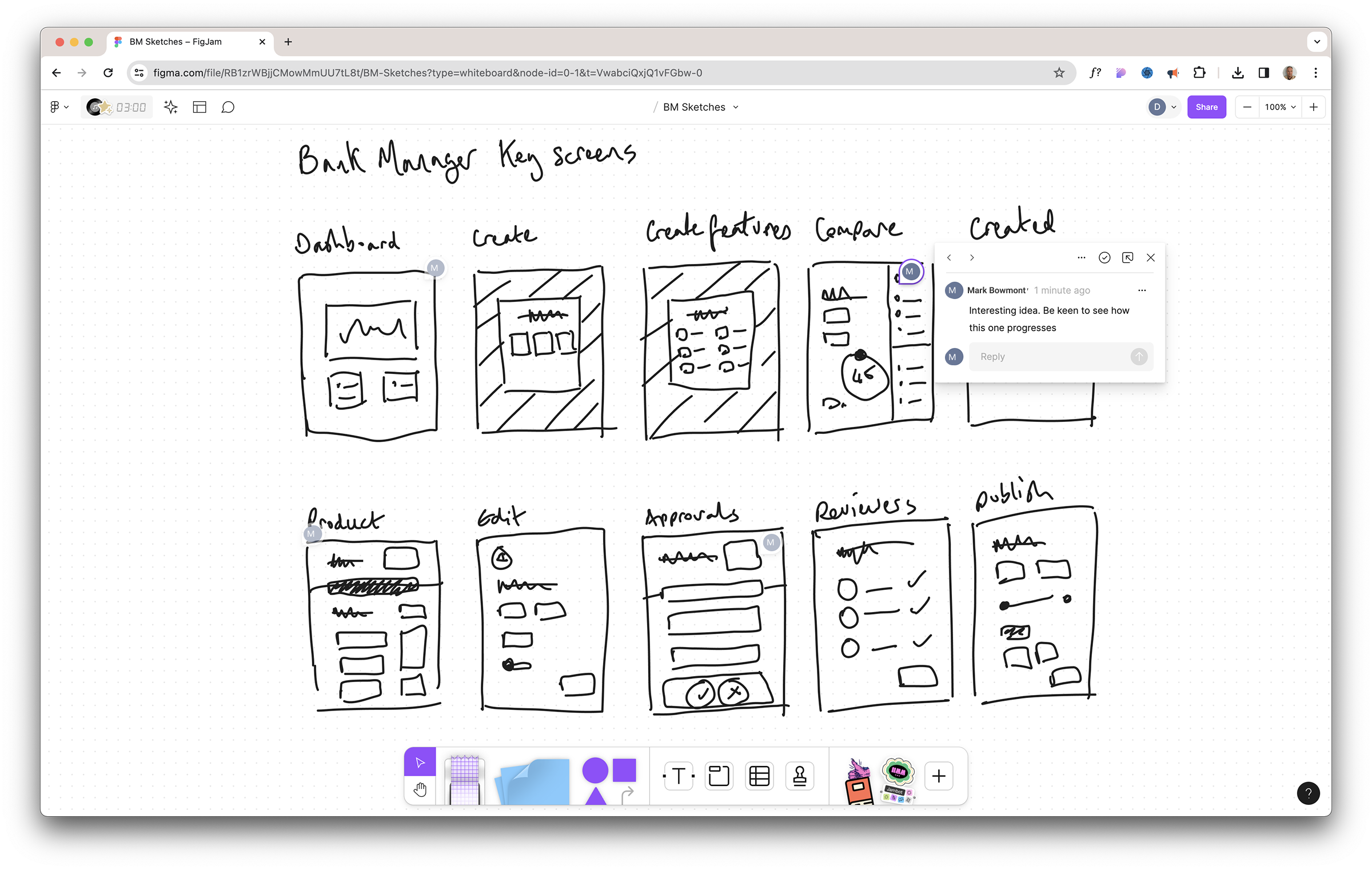
Drawing
I employed Figma for sketching as a crucial step in my design process. It aided in clarifying concepts, swiftly visualising ideas, offering valuable feedback, and ensuring the continuous progress of the project.
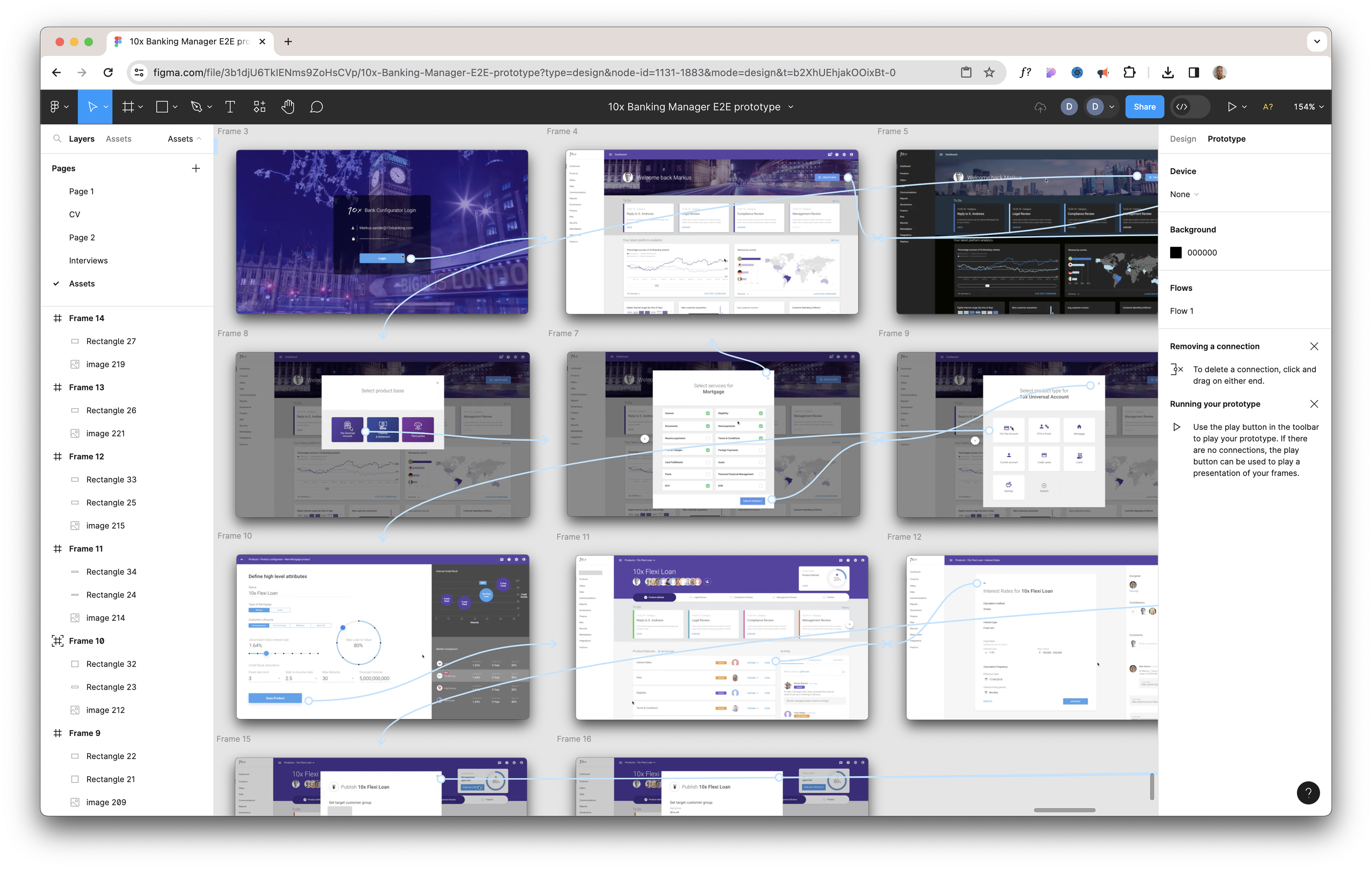
If a picture is worth 1000 words, a prototype is worth 1000 meetings. E2E prototyping and testing
Prototyping served as a sneak peek into our future, showcasing the inner workings of our product. It gave us a hands-on feel for the solution and helped us zero in on specific scenarios. We leveraged it for user testing, aligning our team internally, and wowing potential clients during sales presentations.
Scaling design at 10x Banking
As the challenges we faced became more intricate and extensive, the necessity to expand both our team and our collaborative methodologies became apparent. Scaling up the team prompted me to initiate a document, crafted alongside them, aimed at aligning our efforts not only within our team but also across the entire business, particularly in our approach to design.
This collaborative effort was pivotal in establishing a unified understanding of the most effective ways to integrate design into our work. Recognising the significance of early collaboration, we established a practice of engaging six months ahead of any development deadlines. This proactive approach allows us ample time to brainstorm and iterate before committing to building APIs that could potentially impede the optimal user experience.
Moreover, our design process emphasises the pivotal role of research, recognising its value in shaping our solutions. This holistic approach ensures that our design decisions are grounded in robust insights, fostering more effective and user-centric outcomes.
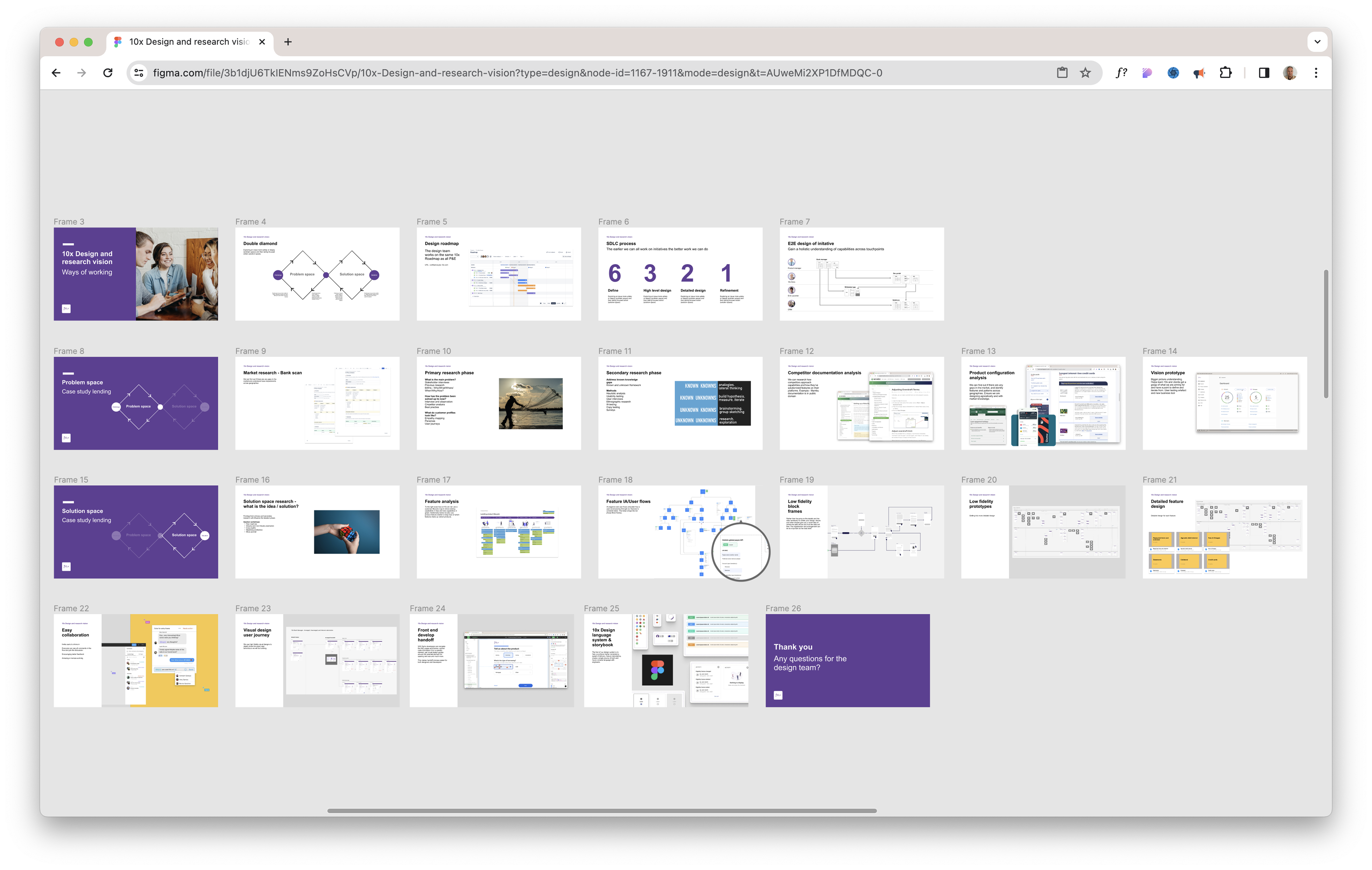
Feature analysis
At 10x we can use a customer lifecycle map to show existing capabilities in blue and new capabilities in green. This helps teams align on what we have now and what we need to design and built as our platform grows.
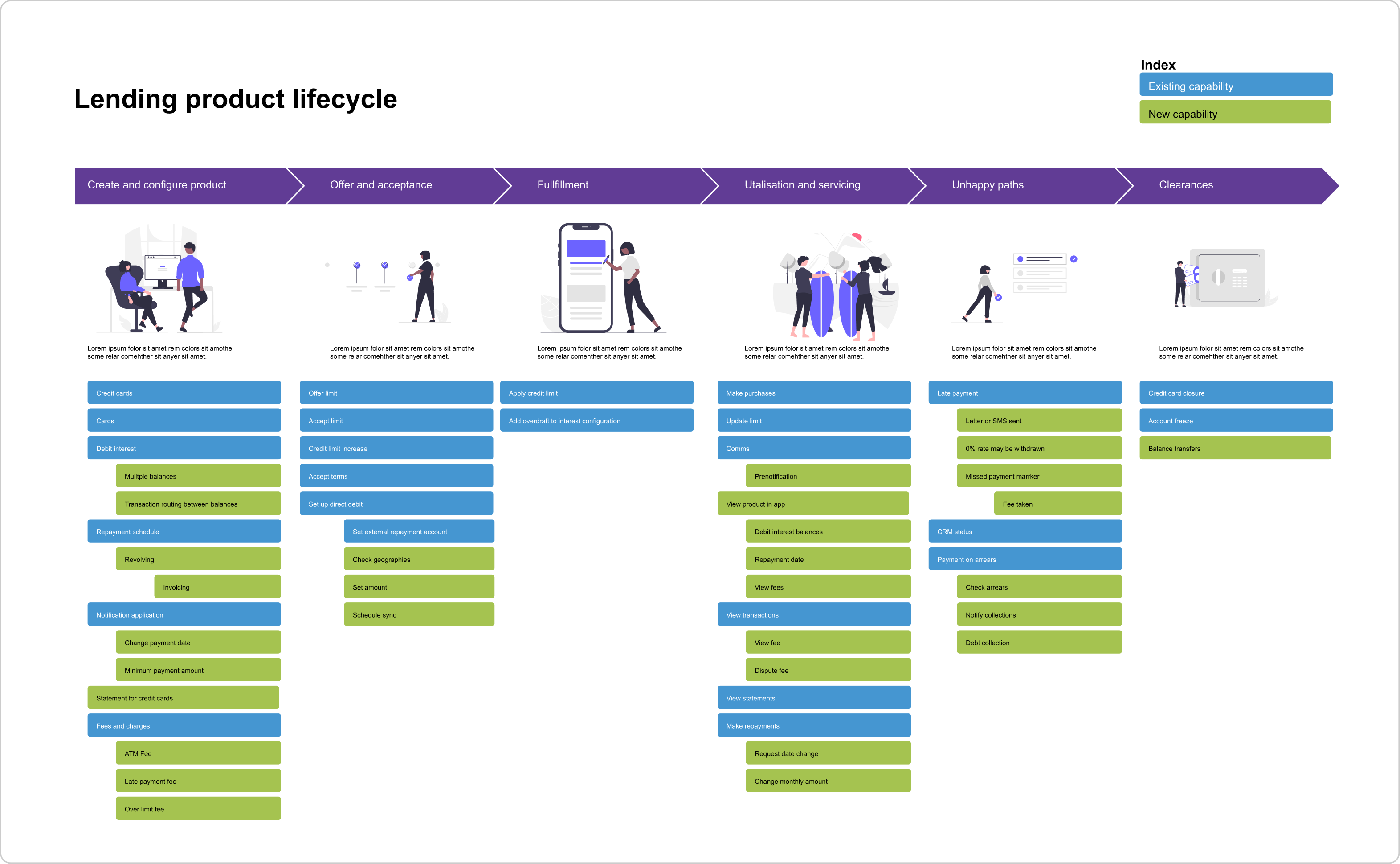
Feature IA / User flows
IA diagrams and user flows articulate how a user would journey through our features to complete tasks. This helps shape the next phase Block frames.
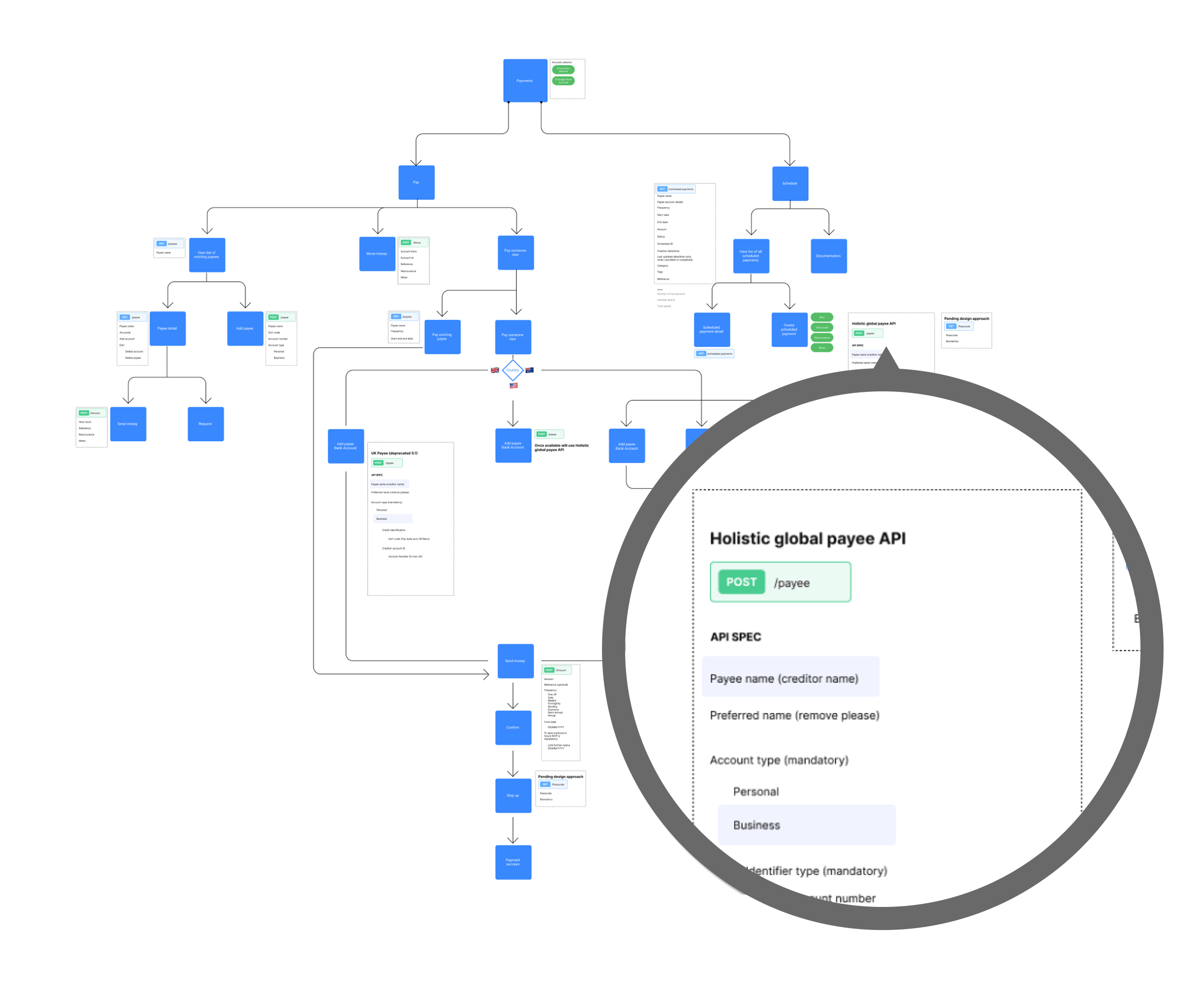
Low fidelity block frames / wireframes
Rather than focusing on the details and the data necessary to create our designs, blocks and other shapes can give a quick idea of where the data will be and how the data will flow. The organisation and arrangement can be as important as the data itself.
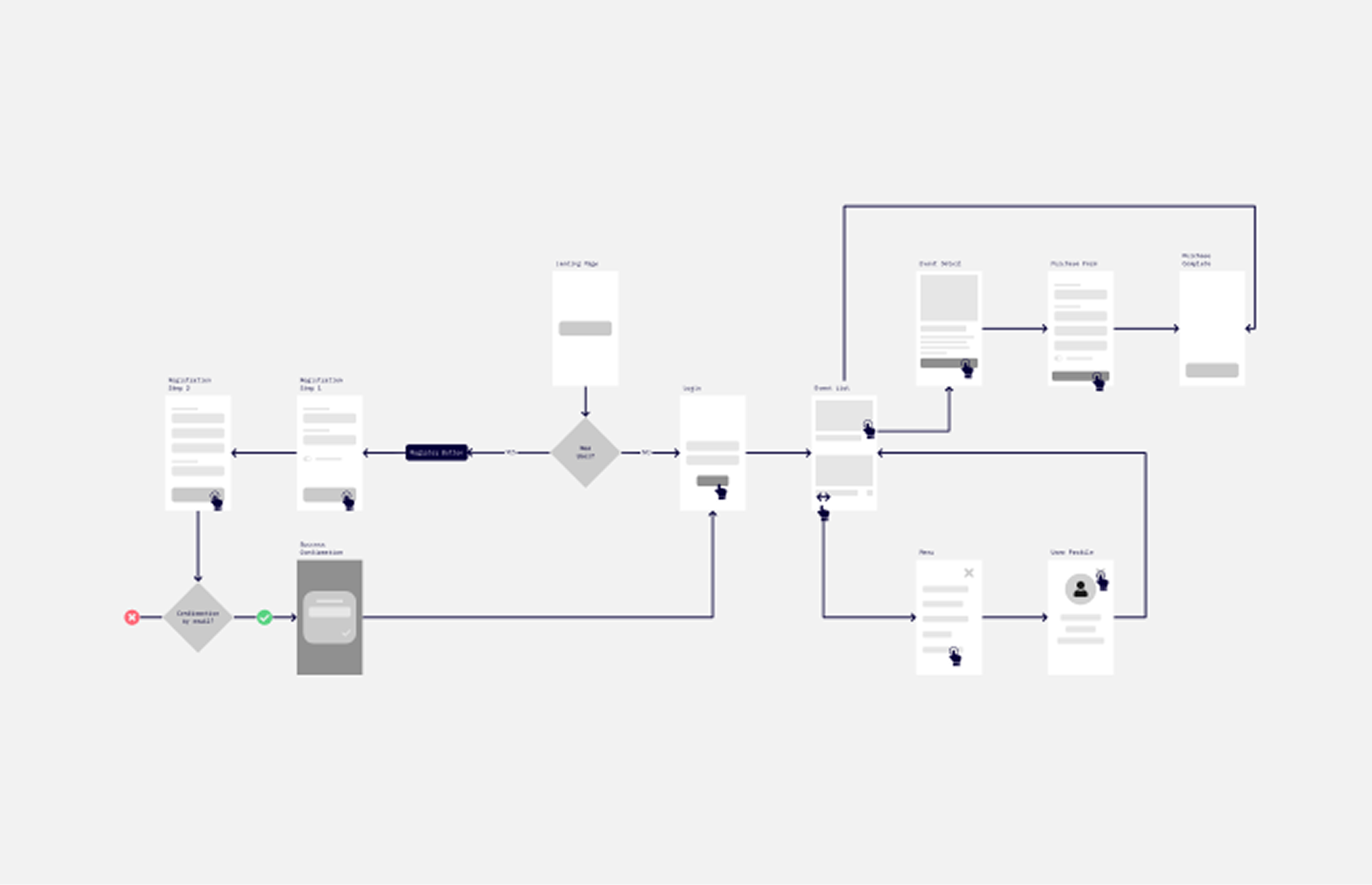
High fidelity prototypes
High-fidelity prototypes mirror the actual user interface as accurately as possible. These prototypes allow us to meticulously outline various scenarios, both positive and negative, enabling effective communication with product, front-end, and back-end teams. This collaboration ensures our designs and development align optimally, creating value for both customers and the business.
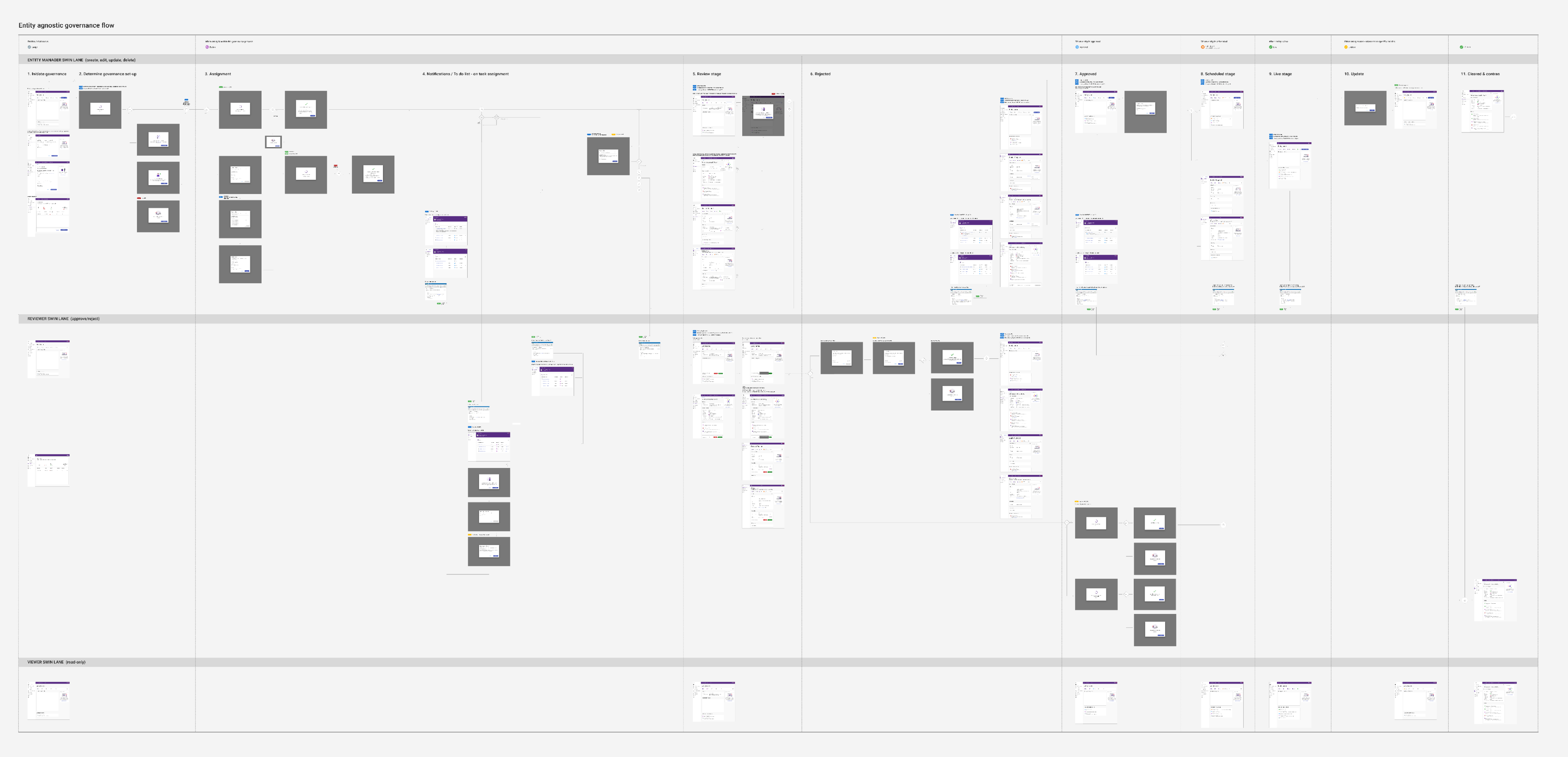
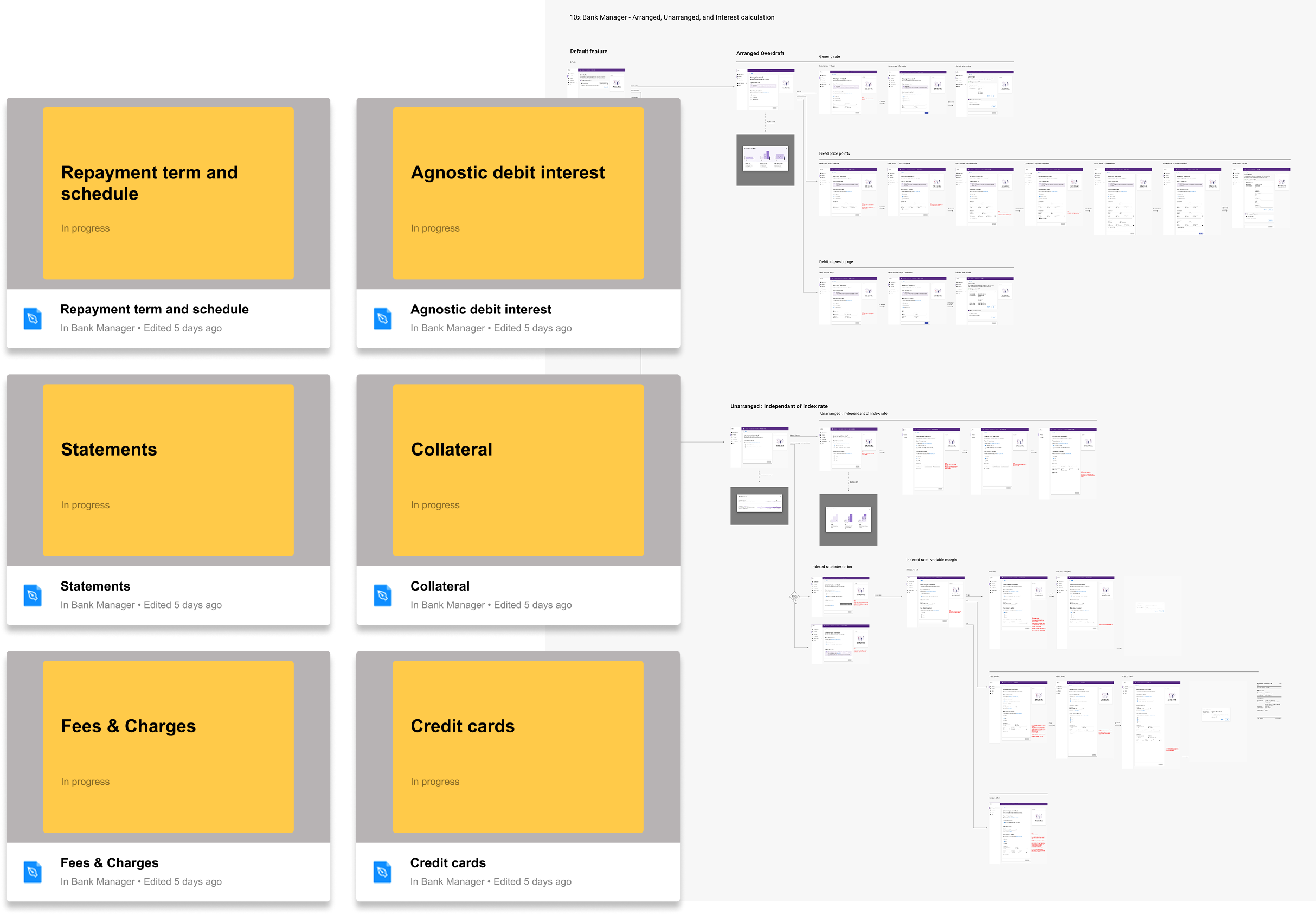
Detailed feature design
Every feature in Figma is distinctly labeled, simplifying our ability to monitor ongoing tasks and completed items. This organised system serves as a reliable reference for future work.
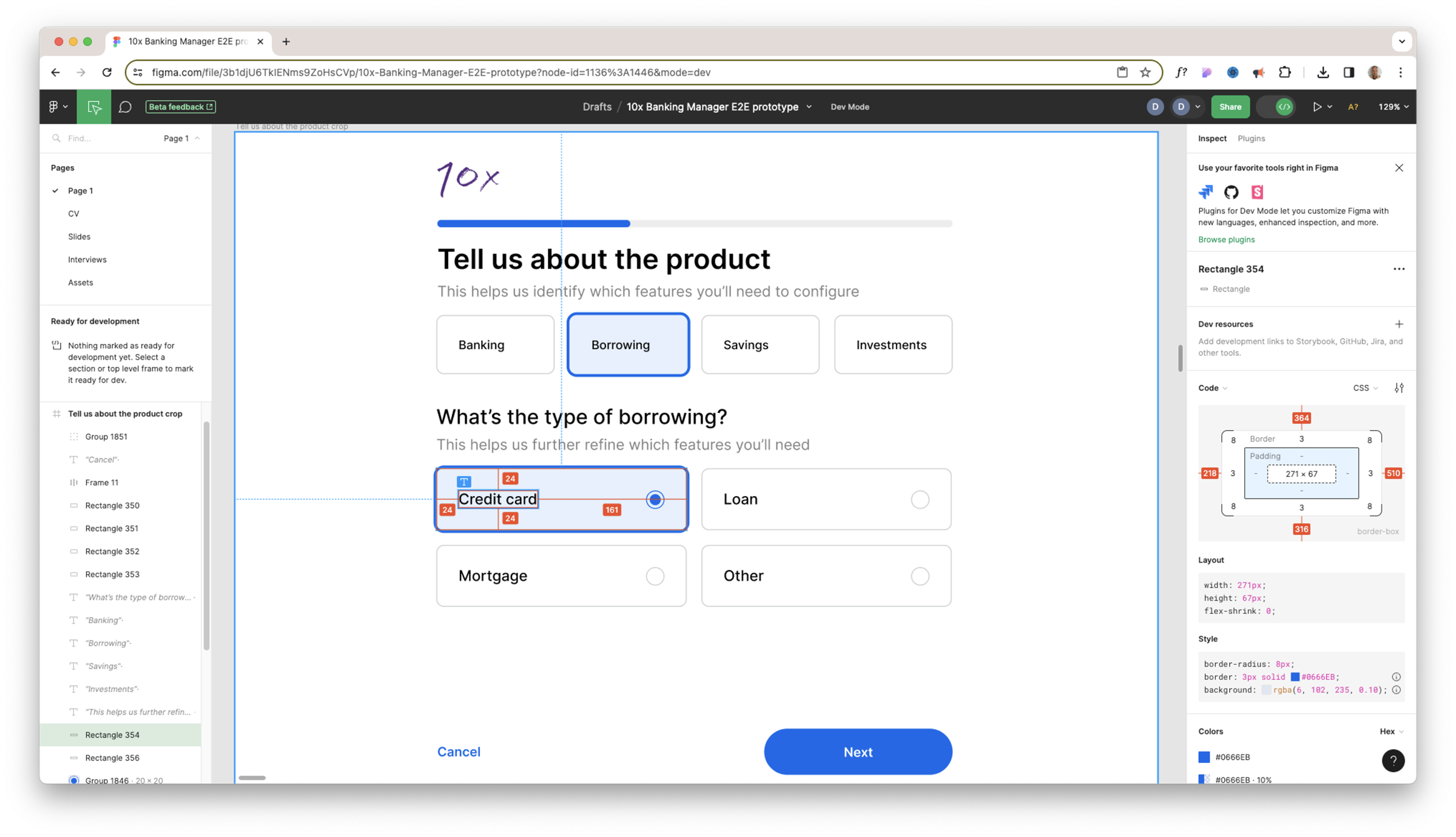
Developer handoff
With figma developers can navigate the file’s pages and frames, extract code information from a specific element, get visual design guides around the selected element for spacing and size and much more.
This makes handoff process easier for both designers and developers.
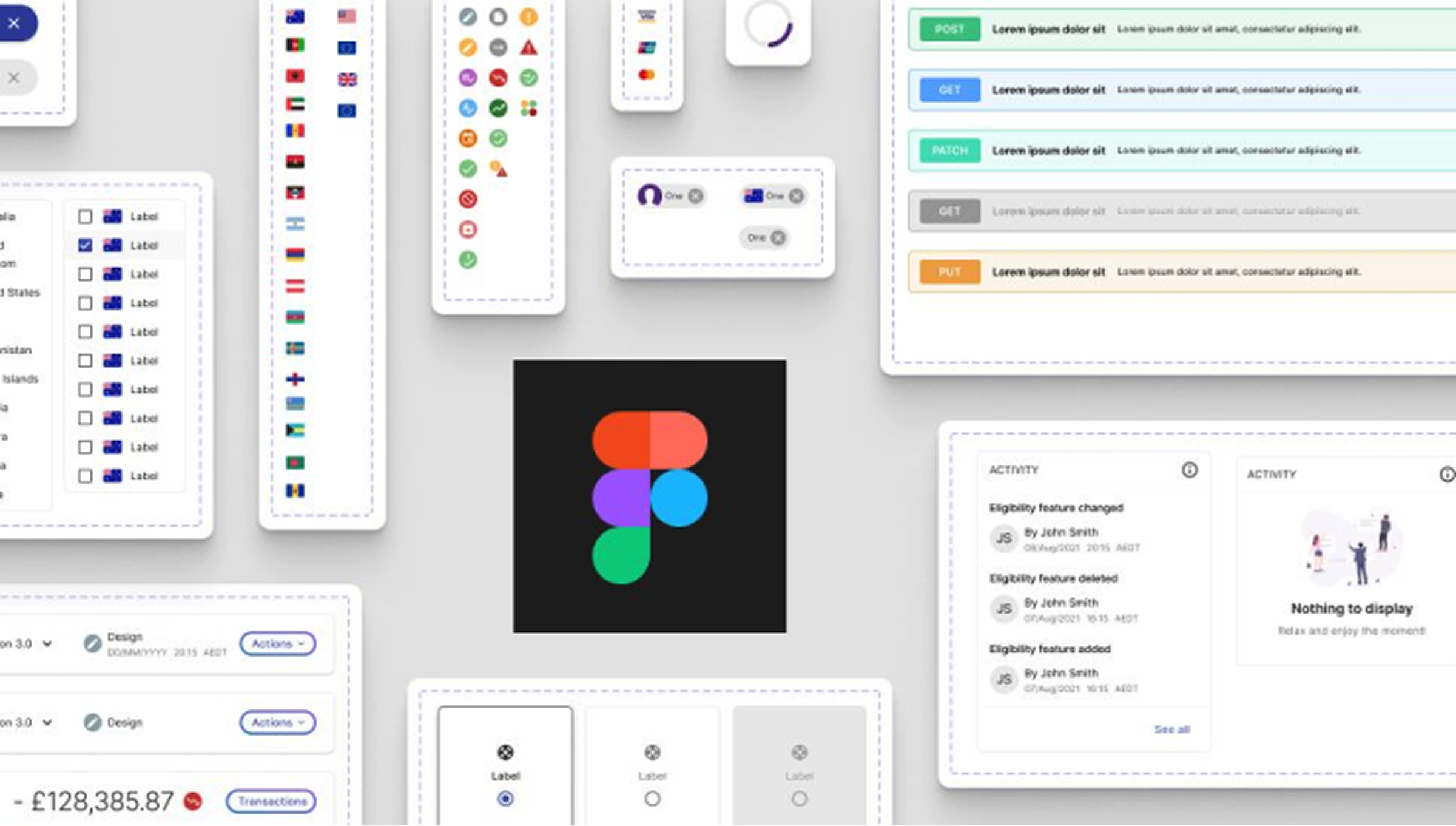
10x Design language system and storybook
The goal of our design system is to help us achieve higher consistency, speed of delivery, reduce redundancy, create a single source of truth and have a shared language with engineers.
User interviews and key findings
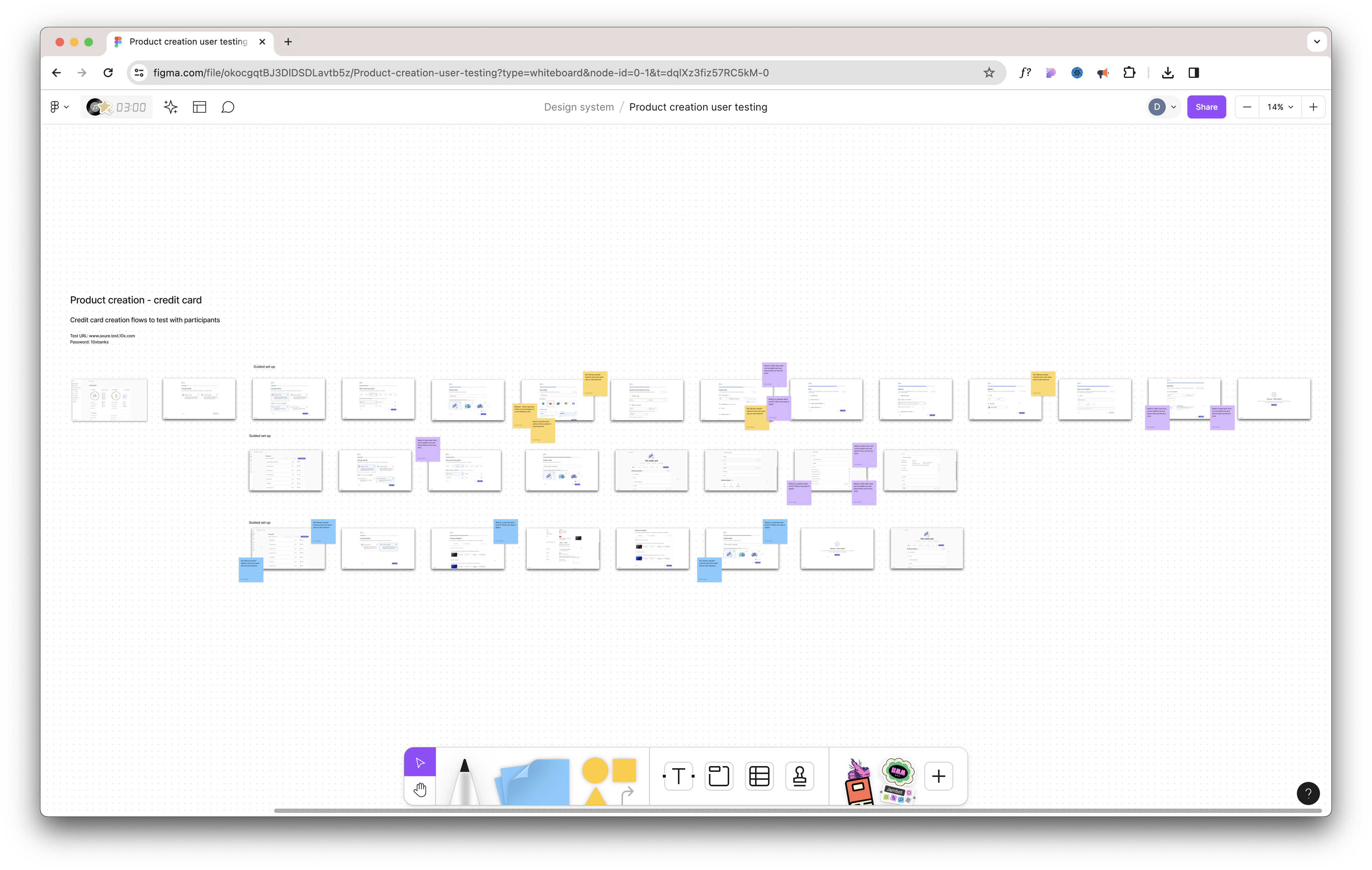
25% of our customers wouldn’t update products without assistance
25% of our customers were not confident to make product changes to live products on their own. We were hand holding customers on the phone or in person to change and update their live products which wasn’t scalable for us or a good experience for our customers.
30% of our customers failed critical UX paths within as-coded prototype
We witnessed approximately 30% of interviewed candidates fail to complete critical tasks within our as-coded prototype in Axure. The way we had designed and build the flow for creating new products was too complex with too much internal jargon and too much cognitive load, and not enough reassurance and in app help to guide users.
Recurring UX vision
Routed in research so we know it’s something users want and need, UX vision projects were conducted each quarter or half yearly. Research findings are played back to senior stakeholders and or brought into our roadmap to build. The UX product design team is naturally drawn to collaborate on this in a decentralised project guild as we are very close to users pain points and needs. Product managers and key engineers are involved from the start to ensure buy-in and viability. A UX vision can give great direction to a business but needs to be conducted regularly to ensure changes from competitors or customer needs are readdressed in future vision projects.
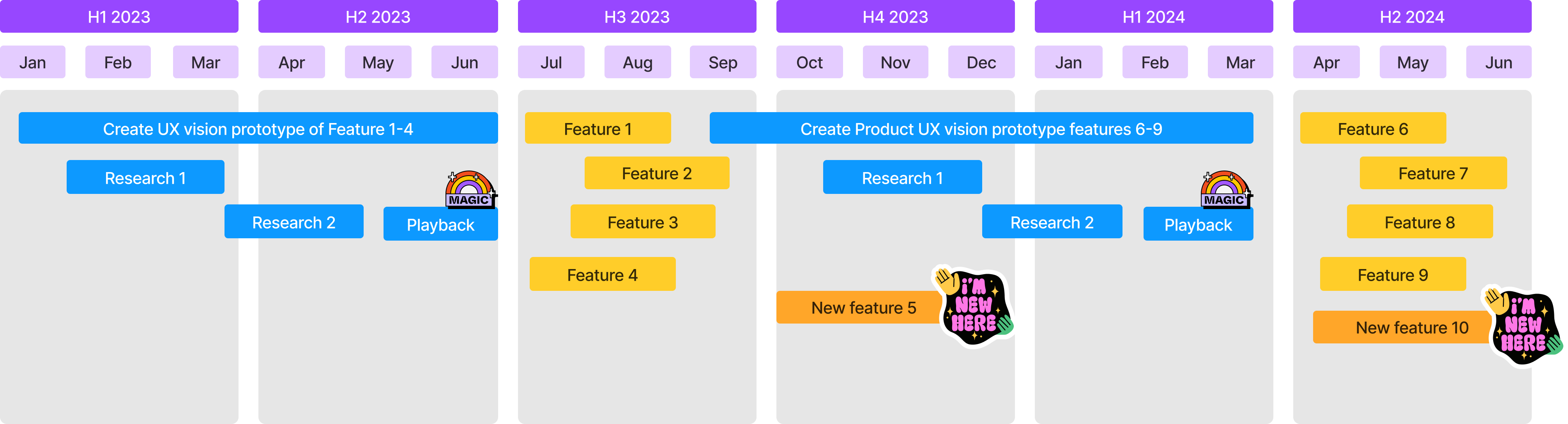
Credit card vision prototype
Bigger picture understanding. Helps team 10x and clients get a grasp of what we are aiming for and have a point to define and iterate from. User testing artefact and new business tool.
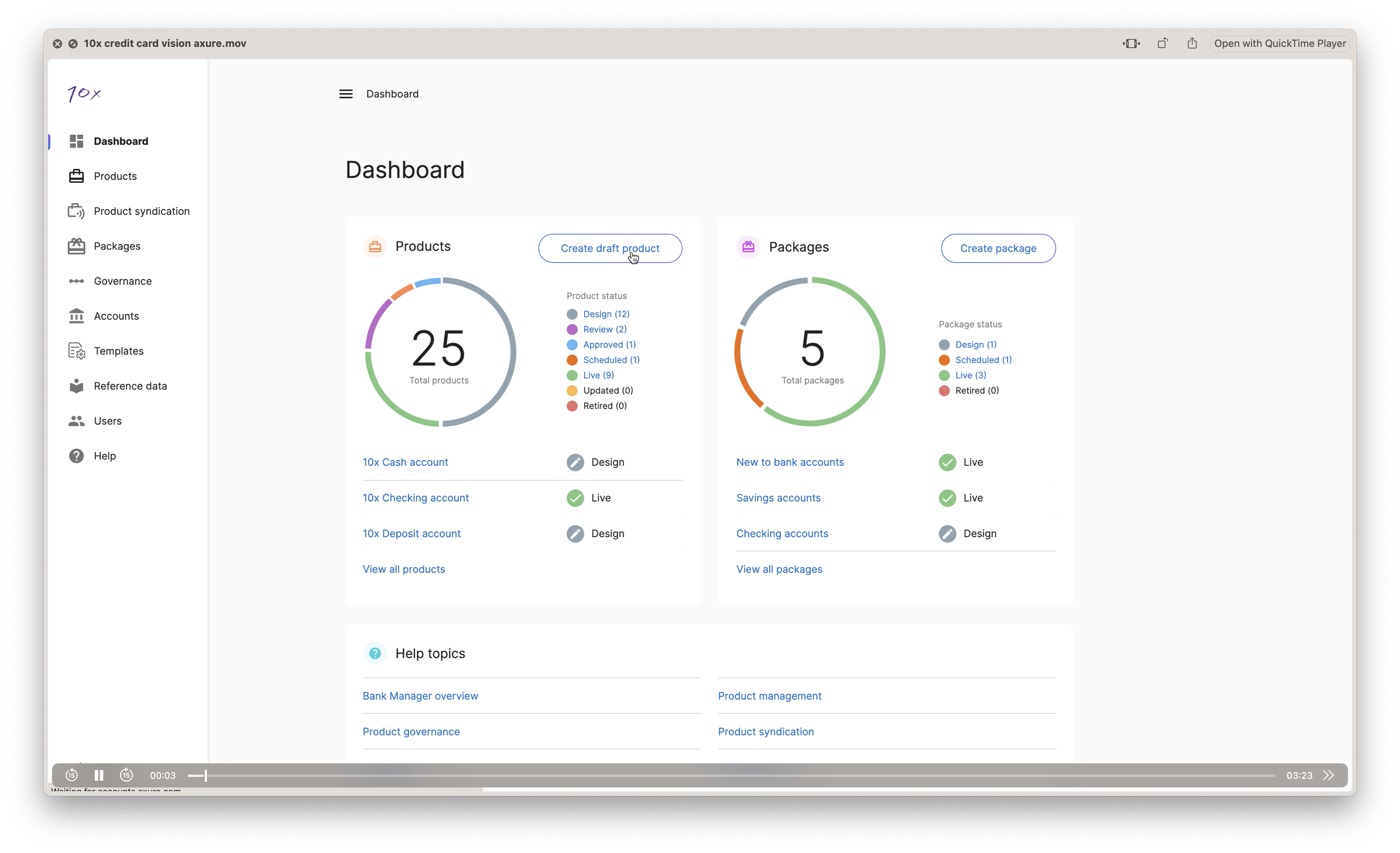
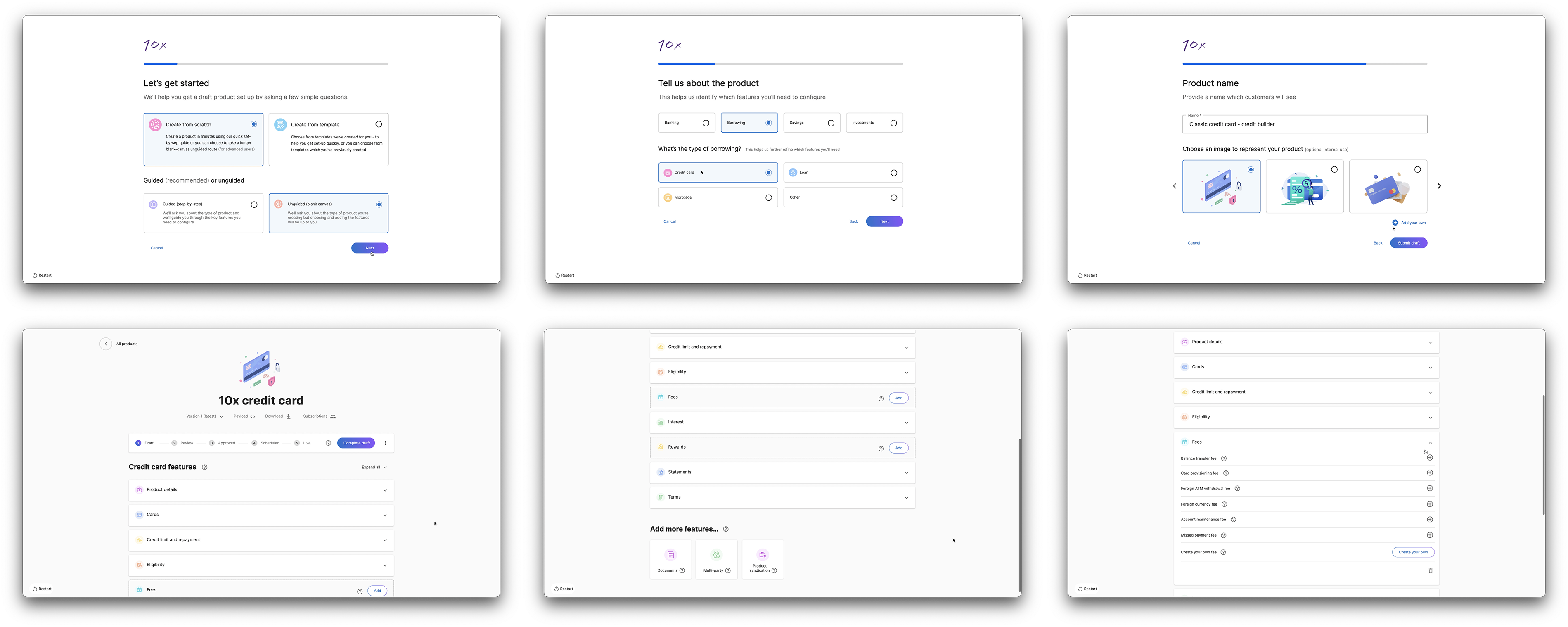
Guided (step by steps) set up
Create a product in minutes using our quick step-by-step guide or you can choose to take a longer blank-canvas unguided route.
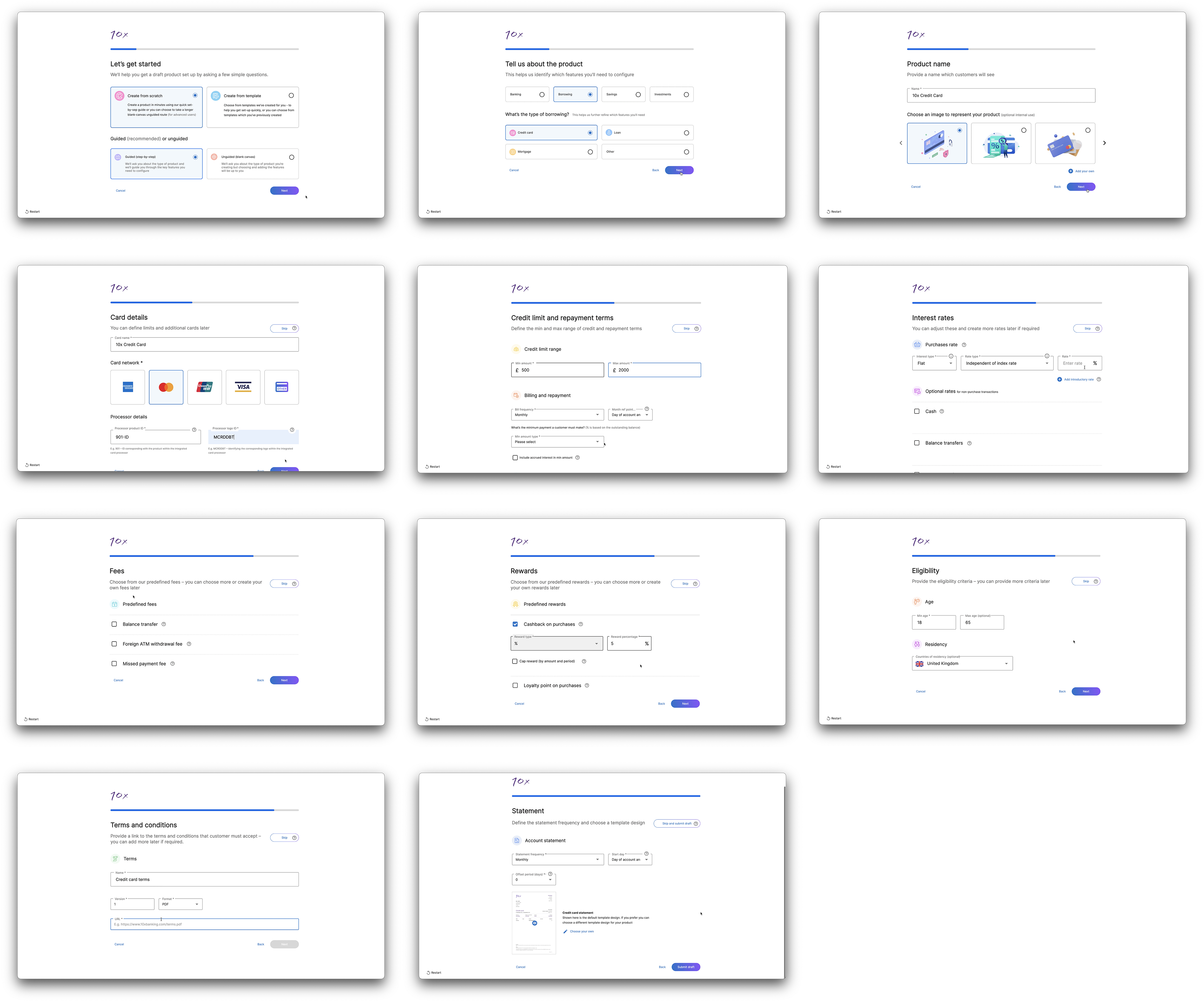
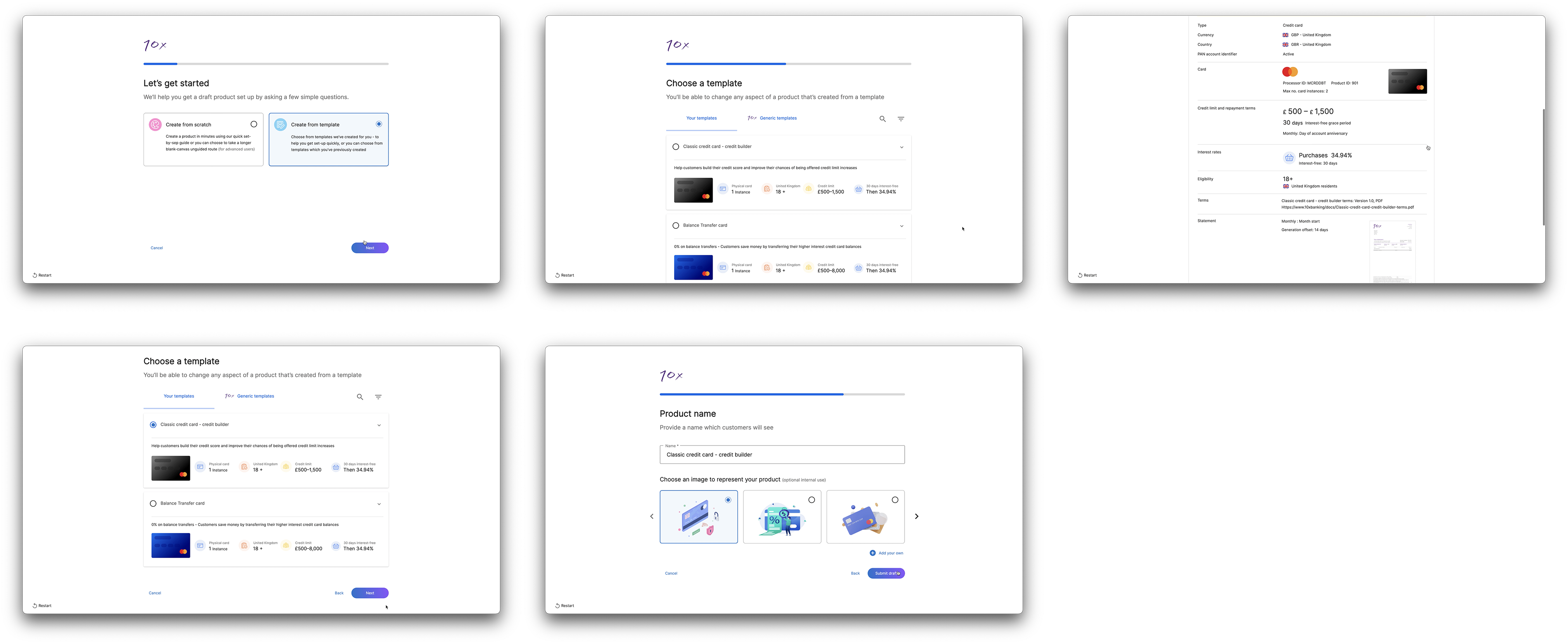
Create from a template
Choose from templates we’ve created for you - to help you get set-up quickly, or you can choose from templates which you’ve previously created.
Unguided (blank canvas)
We’ll ask you about the type of product you’re creating but choosing and adding the features will be up to you.
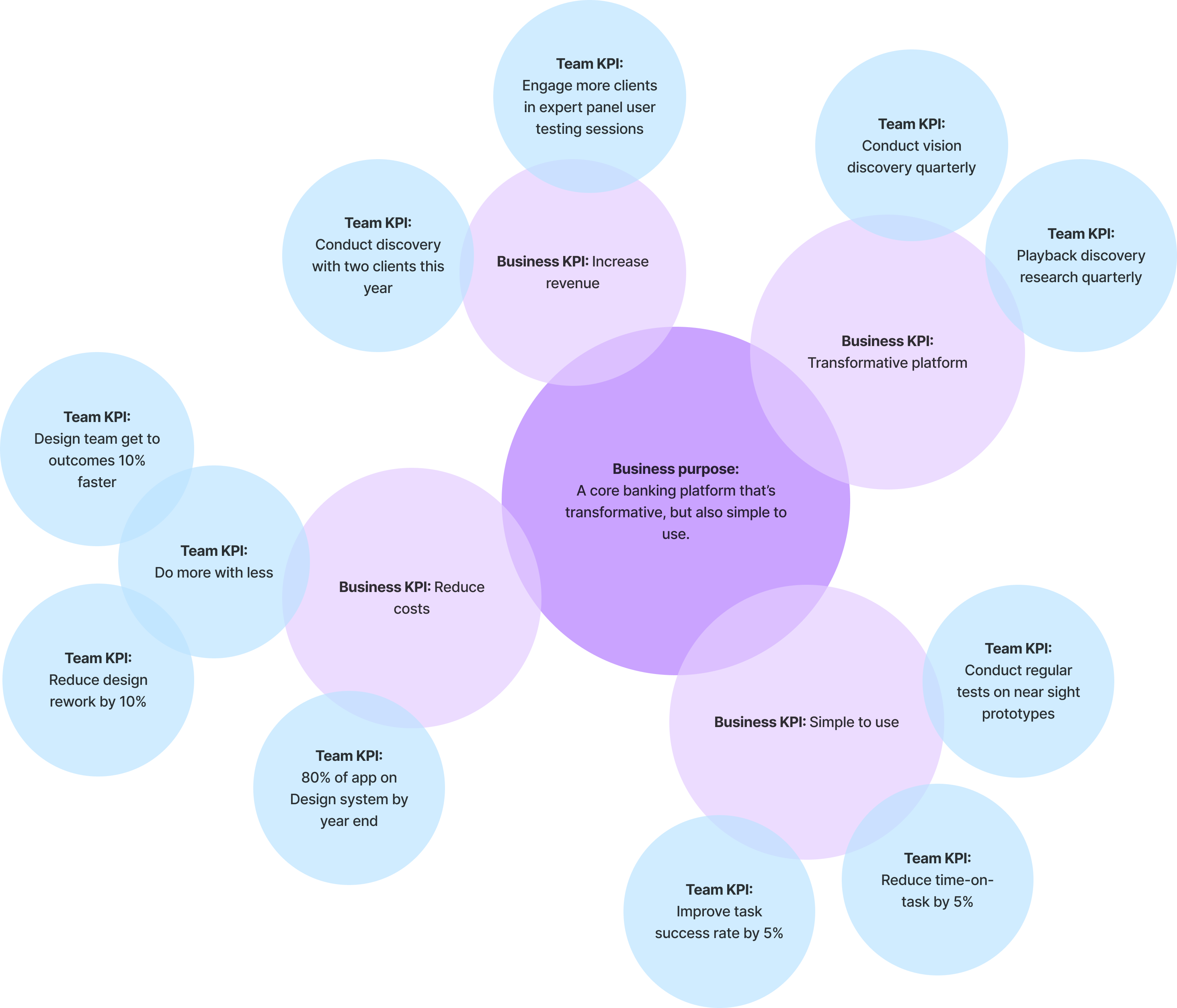
Motivating design teams with business KPIs
Design KPIs help us stay on track in driving metrics that actually matter. With them, we can gradually improve UX over time and gain evidence that our design decisions are actually effective in practice, and ensure we keep pace with both the development roadmap and ambitious growth areas with vision prototypes.
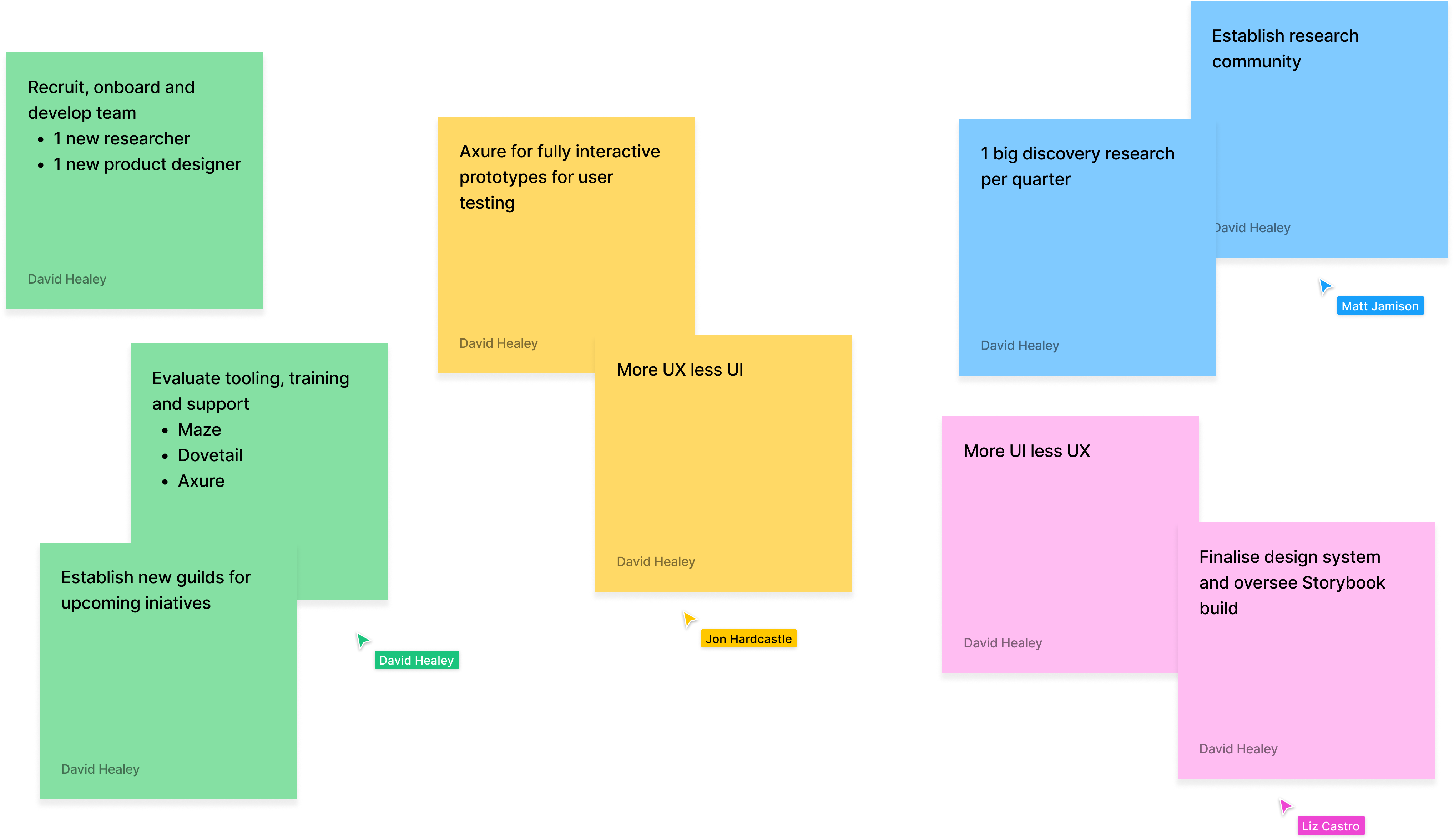
Finding teams superpowers
Conduct workshops with simple questions like: What do you want to have achieved in 6-12 months. Designers and researchers are highly skilled and it’s important that we continue to ensure we’re utilising the skills they have - both for the business and for their individual growth within the mastery, autonomy and purpose of their design careers. A group workshop enabled the team to learn more about each others skillsets and creates accountability about writing the post-it’s, sharing and saying to the team I want to do this in 6-12 months.
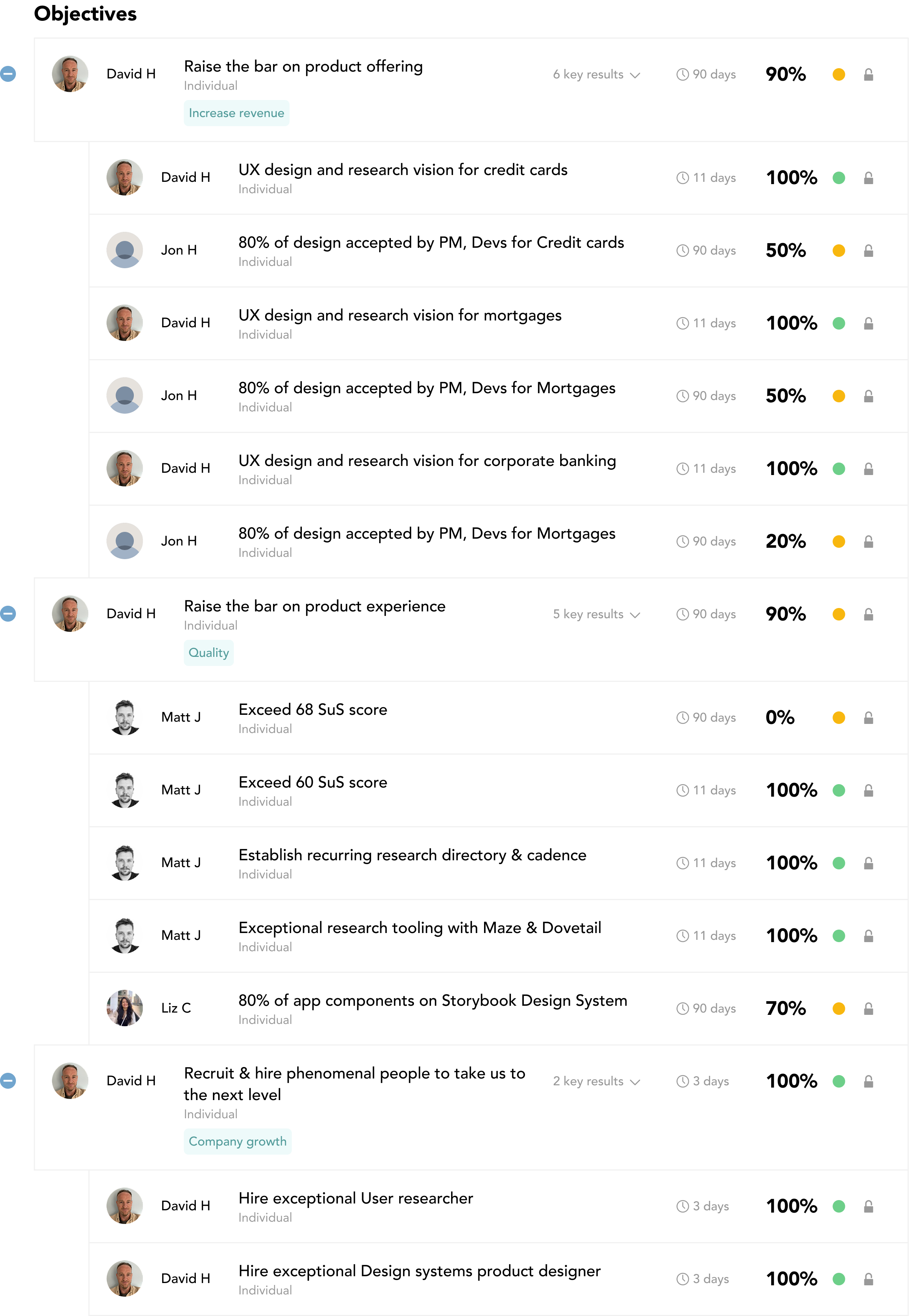
Business, customer & personal objectives
Our performance management software helped me and team keep track of individual and business objectives. The collaborative nature of workshopping the company and individual objectives created engaging 121’s, and Design review sessions. Additionally we were all very clear on what were needed to achieve by when across the year.
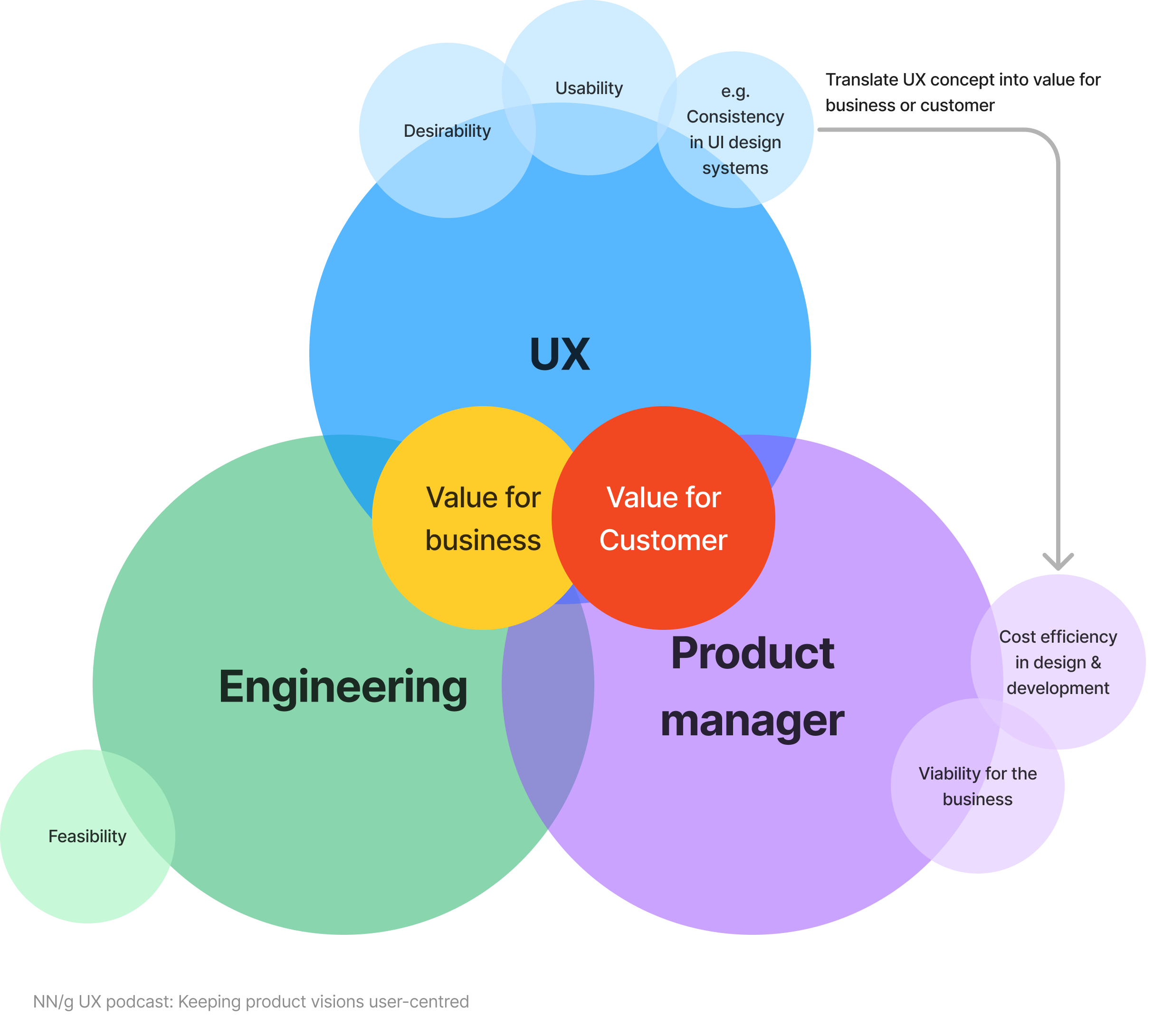
Business & customer value aligning Product and engineering
We are all working together to achieve the same goals: Value for our customers and value for the business. It’s important to stay aligned with UX, Engineering and product management to ensure we are solving for the same purpose. UX can do more to translate concepts into business value and product management can also intuitively see value in design, we must all stay aligned to ensure we deliver value to customers and the business and don’t create design or tech debt.
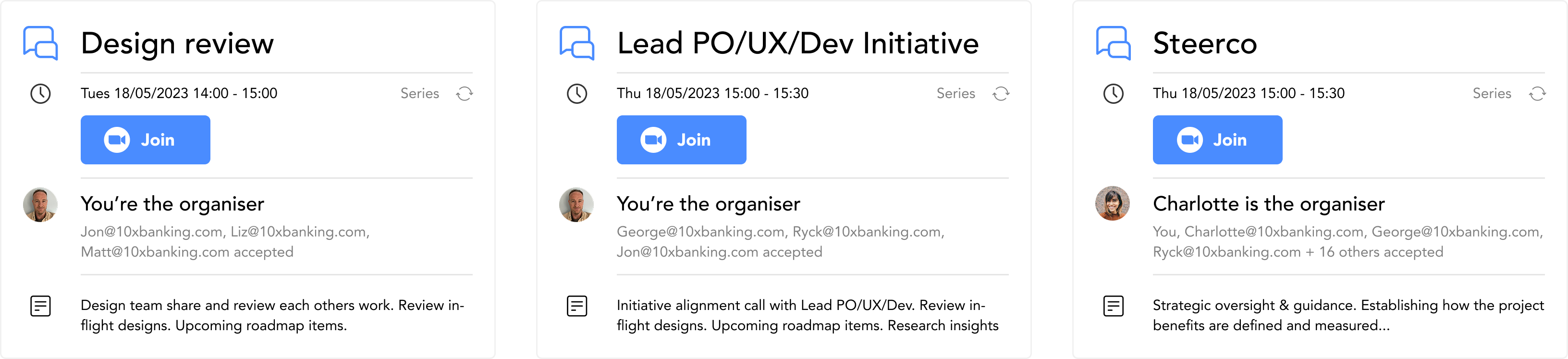
Organisational alignment
With a focus on remote working, post Covid it’s even more important to ensure the correct forums are in place for alignment across the organisation.
- Design review weekly - Share, critique each others work, workshop in-flight projects
- Lead PO/UX/Dev initiative weekly - Initiative alignment call with Lead PO/UX/Dev. Review in-flight designs - Upcoming roadmap items. Research insights
- Steerco monthly - Strategic oversight & guidance. Establishing how the project benefits are defined and measured
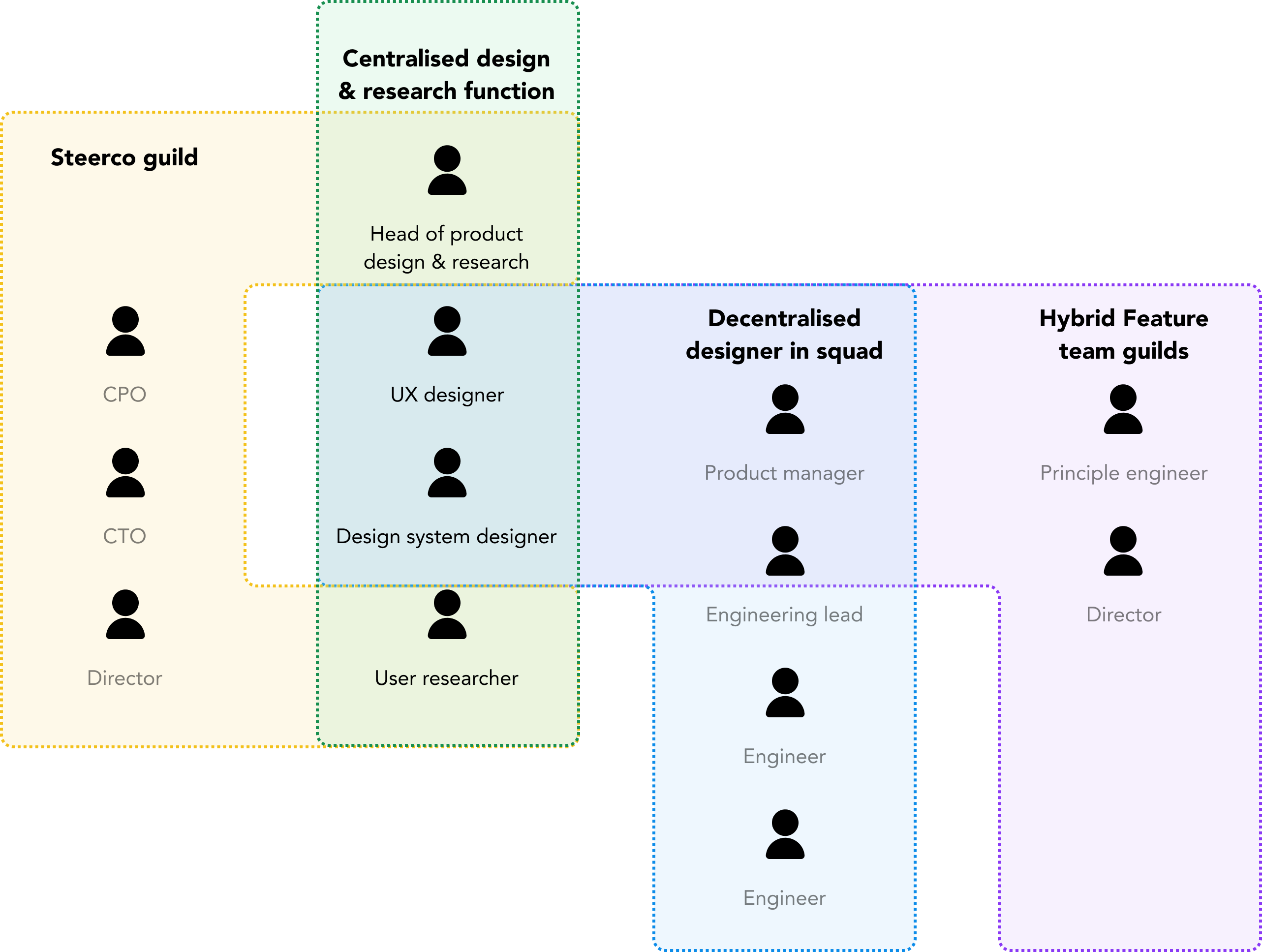
Decentralised, Centralised or hybrid team
The structure of the design team has evolved over time at 10x. At the beginning we were building a lot of our front end applications as custom React projects requiring a decentralised model with a product designer in each development squad.
The demands from the business and customers were becoming far more complex across personal, business and corporate banking requiring far more design & research focus on 10x Bank manager and our end customer services for our Whitelabel app.
Additionally with the emergence of frameworks like Read.me, and UI Kitten offering features that would take us months to build we moved to a hybrid design team model.
Results
The project had a transformative impact on both the customer experience and the business's bottom line.
- 1M+ new users and £10B+ saved within 12 months of launch
- +25% increase in self-driven product changes (from Q2 2022)
- Design team retention up 300% — from under 1 year to ~3 years
- Design review time reduced 60% — from 3 days per sprint to 1 day
- Task completion rate improved to 100% — up +30% from Q4 2022 after UX redesign
- Design team output up 33% — supported by a robust Figma design system
Testimonials
“I worked with David for over 5 years, David is a fantastic Head of Design who really understands how to get the best out of people. David crafted a number of amazing design & research projects at 10x in his team. David’s team had a wide design remit from end user applications to internal system tools- he had an ability to balance and manage competing priorities in high-pressure situations. He never loses his cool which is one of the reasons he stands out as a design leader. David brings a contagious energy to the organisation and in his teams. It’s without hesitation that I recommend David if you are looking for a great design leader to run your design & research department.”

Leigh Pepper
Chief Product Officer t 10x
“I've worked with David for 3.5 years. He is an absolutely brilliant design leader and one of my favourite colleagues I've ever worked with. He has a really deep understanding and mastery of everything it takes to be a top class product design leader, from the discovery and research phases, through highly complex UX design and invariably delivers a UI masterpiece. He built an incredible design and research team at 10x - bringing together specialist skillsets and personalities to form an exceptional, high performing and incredibly valuable team. As a leader he is always positive, naturally creative, genuinely inclusive and really does care. I truly wish to work with him again in the future!”

George Broom
Product manager at 10x
“David hired me and scaled the highly skilled design & research function at 10x. David’s deep understanding of product design empowered him to deliver multiple high value initiatives to the business and our customers. David is able to inspire the design & research team and help us get to impactful experiences faster which impress our customers.”

Jon Hardcastle
Principle product designer at 10x
“David set the vision and strategy for research and product design at 10x, and drove long-term and strategic user research projects with senior leadership to advocate a customer first approach. He worked closely with functional leads to ensure teams were driving customer centricity to attain business and customer value. David ensured we had the right user research tools and processes to support researchers in doing their best work, and was a pleasure to work with.”

Matt Jamison
Senior UX Researcher at 10x
Let’s do great work together
Need a confident design leader who can guide teams, influence execs, and jump into Figma? I’m your guy, let’s talk.
Email me
View my LinkedIn